Mastering Off-the-Rack Fit: 5 Expert Solutions for Custom Look

Anúncios
Mastering Off-the-Rack Fit: 5 Expert Solutions for Custom Look
In the world of fashion, the dream of a perfectly fitted wardrobe often seems reserved for those with bespoke budgets. However, the reality is that the vast majority of us rely on off-the-rack clothing. While convenient and accessible, these garments rarely fit every individual perfectly right off the hanger. The disparity between mass-produced sizes and unique body shapes can lead to frustration, ill-fitting clothes, and a less-than-confident appearance. But what if we told you that achieving a custom look with off-the-rack clothing is not only possible but also surprisingly simple?
Anúncios
The secret lies in understanding that ‘off-the-rack’ doesn’t have to mean ‘off-the-mark.’ With a few strategic approaches and a keen eye for detail, you can transform standard garments into pieces that look and feel like they were made just for you. This comprehensive guide will delve into five practical solutions to help you master the off-the-rack fit, ensuring your clothes flatter your physique and boost your confidence. From the magic of professional tailoring to clever styling hacks, we’ll equip you with the knowledge to elevate your everyday wardrobe.
Forget the notion that you need to be a specific size to look good. Instead, embrace the power of customization and learn how to make fashion work for your body. By the end of this article, you’ll be armed with actionable strategies to achieve that coveted custom-fit aesthetic, making every outfit a statement of personal style and precision.
Anúncios
1. The Tailor’s Touch: Your Secret Weapon for a Perfect Fit
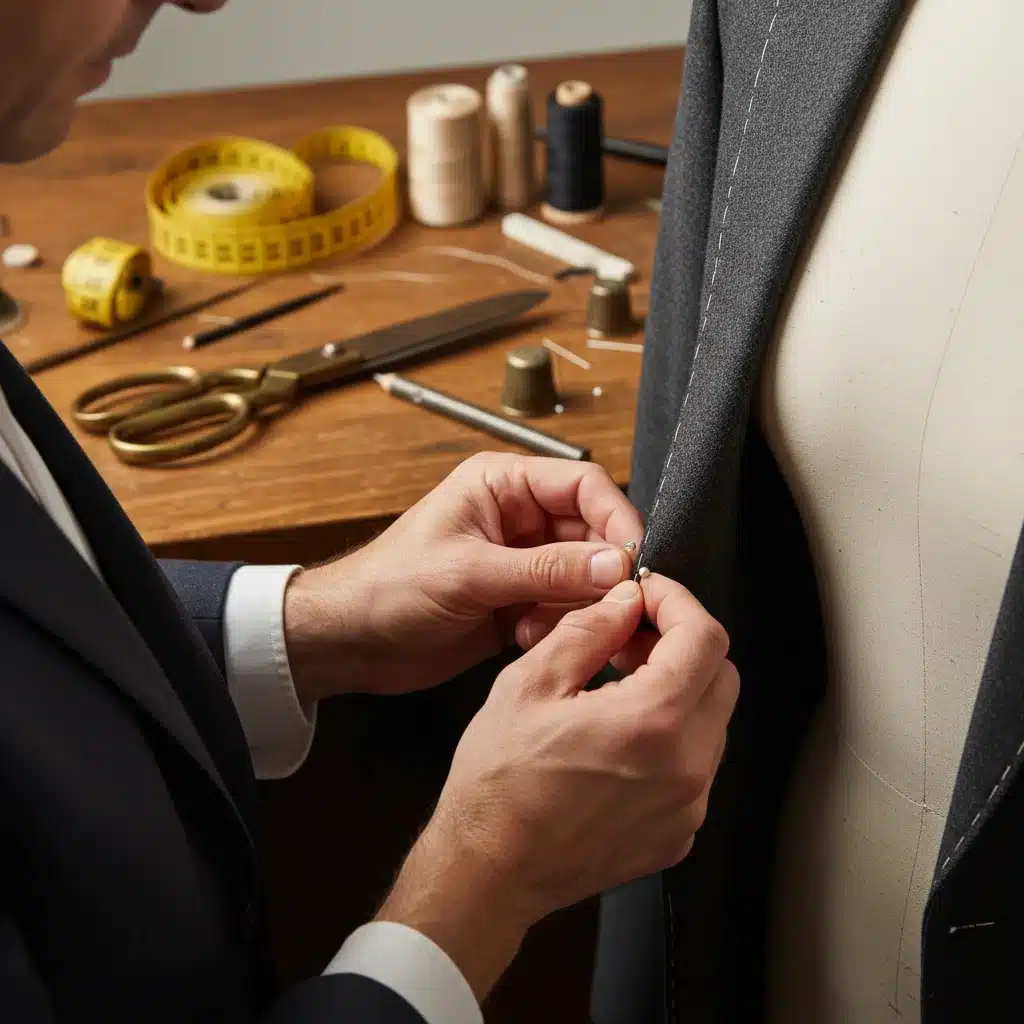
When it comes to achieving an impeccable off-the-rack fit, professional tailoring is undeniably your most powerful ally. Many people shy away from tailors, assuming it’s an expensive or unnecessary step. However, a good tailor can work wonders, transforming a garment from merely acceptable to absolutely exceptional, often for a surprisingly reasonable cost. Think of tailoring as an investment in your appearance and the longevity of your wardrobe.
Why Tailoring is Essential for Off-the-Rack Clothing
Mass-produced clothing is designed to fit a generalized body type. This means that while a jacket might fit your shoulders, the sleeves could be too long, or the waist too wide. Similarly, trousers might fit your waist but be too long in the inseam. These small discrepancies can make a huge difference in how a garment looks and feels. A tailor can address these issues with precision, creating a silhouette that truly complements your individual proportions.
Common Alterations That Make a Big Impact:
- Hemming: The most common and often the most impactful alteration. Pants, skirts, and dress hems that are too long can make you look shorter and frumpy. Proper hemming ensures your garments fall at the perfect length, creating a clean, polished line.
- Sleeve Length: For jackets, blouses, and shirts, sleeve length is crucial. Shirt cuffs should hit right at the wrist bone, while jacket sleeves should expose about half an inch of your shirt cuff. Correcting sleeve length instantly elevates the sophistication of an outfit.
- Waist Adjustment: Trousers and skirts that gape at the waist or are too tight are uncomfortable and unflattering. Taking in or letting out the waist can provide a snug, comfortable fit that enhances your natural shape.
- Tapering: For a more modern and streamlined look, tapering pant legs or jacket sides can make a significant difference. This alteration slims down the silhouette without making the garment too tight, giving it a custom-made feel.
- Shoulder Adjustment: While more complex, a tailor can sometimes adjust the shoulders of a jacket. This is critical because the shoulders are the hardest part to alter and often dictate whether a jacket truly fits.
Finding the Right Tailor
Don’t just pick the first tailor you find. Ask for recommendations, read reviews, and perhaps start with a simpler alteration to gauge their skill. A good tailor will be able to advise you on what’s possible and what’s not, and they’ll understand your vision for the garment. Communicate clearly what you want, and don’t be afraid to ask questions. Remember, the goal is to make the clothing fit you, not the other way around.
Investing in tailoring for key pieces like suits, blazers, and essential trousers can drastically improve your overall appearance and extend the life of your clothing. It’s the ultimate hack for transforming budget-friendly finds into luxurious-looking ensembles.
2. Understanding Your Body: The Foundation of a Great Fit
Before you even step into a store or consider a tailor, the most fundamental step to achieving a superior off-the-rack fit is understanding your own body. This isn’t about body shaming or adhering to unrealistic beauty standards; it’s about recognizing your unique proportions, strengths, and areas where certain cuts might flatter you more. Knowing your body type empowers you to make smarter choices when shopping, reducing the need for extensive alterations and ensuring a better starting point for any garment.
Key Measurements to Know
While you don’t need to be a professional seamstress, having a basic understanding of your key measurements can be incredibly helpful. Keep a small measuring tape handy and know your:
- Bust/Chest: Measure around the fullest part of your bust or chest.
- Waist: Measure around the narrowest part of your natural waistline.
- Hips: Measure around the fullest part of your hips.
- Inseam: Measure from your crotch to the desired hem length of your pants.
- Sleeve Length: Measure from the top of your shoulder to your wrist.
These measurements will allow you to compare them against size charts, which can vary significantly between brands. Don’t rely solely on the numerical size (e.g., size 8 or size M), as these are inconsistent. Focus on the actual dimensions.
Identifying Your Body Shape
Understanding your general body shape can guide you toward cuts and styles that naturally flatter you. Common body shapes include:
- Rectangle/Straight: Shoulders, waist, and hips are roughly the same width.
- Pear/Triangle: Hips are wider than shoulders.
- Inverted Triangle: Shoulders are wider than hips.
- Hourglass: Shoulders and hips are balanced, with a defined waist.
- Apple/Round: Broader midsection with narrower shoulders and hips.
Once you identify your shape, you can research styles that are recommended for it. For example, A-line skirts often flatter pear shapes, while V-neck tops can balance an inverted triangle. This knowledge helps you select garments that already have a good foundation for your body.
Embracing Fit Over Size
Perhaps the most crucial mindset shift is to prioritize fit over the number on the tag. If a size 10 dress fits you perfectly, but you usually wear an 8, buy the 10! No one sees the tag, but everyone sees how the garment drapes on your body. Don’t let vanity sizing dictate your choices. Focus on how the fabric falls, how it accentuates your best features, and how comfortable you feel.
By knowing your measurements and understanding your body shape, you can navigate the racks with confidence, selecting pieces that are inherently more likely to provide a great off-the-rack fit, minimizing the need for extensive alterations and maximizing your style potential.
3. Strategic Shopping: Choosing Garments with Alteration Potential
Not all off-the-rack garments are created equal when it comes to their potential for alteration. A savvy shopper understands that some items are inherently easier and more cost-effective to modify than others. By making informed choices at the point of purchase, you can significantly improve your chances of achieving that coveted custom fit without breaking the bank.
Look for Quality Construction and Fabric
The foundation of any good alteration is the quality of the garment itself. Cheaply made clothing with poor stitching or flimsy fabric may not hold up well to alterations. Look for:
- Sturdy Seams: Check the inside seams. Are they well-finished and strong?
- Fabric Content: Natural fibers like cotton, wool, linen, and silk often hold alterations better and drape more beautifully. Blends can also be good, but be wary of excessively stretchy or thin synthetic materials that can be challenging to work with.
- Extra Fabric: Sometimes, higher-quality garments will have extra fabric allowance in the seams, making it easier for a tailor to let out a garment if needed.
Prioritize Fit in Key Areas
When trying on clothes, focus on the areas that are most difficult or expensive to alter. If these fit well, other adjustments are usually straightforward:
- Shoulders (for jackets/blazers): The shoulder seam should sit squarely on your natural shoulder bone. If it’s too wide or too narrow, it’s often a deal-breaker, as shoulder alterations are complex and costly.
- Bust/Chest (for tops/dresses): Ensure there’s no pulling or gaping across the chest. This area is tricky to alter without affecting the overall design.
- Hips (for skirts/trousers): While the waist can often be taken in, if the hips are too tight or too baggy, it can be a more involved alteration.
If these critical areas fit well, you’re off to a great start. Lengths, sleeve widths, and waist adjustments are generally much simpler for a tailor to handle.
Consider the Garment’s Design
Some designs are more alteration-friendly than others. For example:
- Simple Hems: A straight hem on pants or a skirt is easy to adjust. Intricate details like lace, pleats, or multiple layers can make hemming more complex and expensive.
- Plain Sleeves: Simple shirt or jacket sleeves are straightforward to shorten. Sleeves with intricate cuffs, vents, or decorative elements will be more challenging.
- Seams: Garments with clear side seams provide easy access for taking in or letting out. Complex paneling or garments without distinct side seams can be harder to modify.
By keeping these points in mind while shopping, you can select garments that are not only appealing but also ideal candidates for a personalized off-the-rack fit, ensuring your tailoring investment yields the best possible results.
4. Styling Hacks: Creating the Illusion of a Custom Fit
Even without a tailor, clever styling can go a long way in creating the illusion of a perfect off-the-rack fit. These hacks are about manipulating the way a garment sits on your body, defining your silhouette, and drawing attention to your best features. They’re quick, easy, and can be applied to almost any outfit.
The Power of the Tuck and the Knot
- The Full Tuck: Tucking a shirt or blouse fully into your trousers or skirt instantly creates a more defined waistline and a polished look. It eliminates excess fabric that might otherwise make a top look baggy or shapeless.
- The French Tuck (Half-Tuck): For a more relaxed yet still put-together vibe, tuck only the front of your top into your waistband, leaving the back loose. This creates a casual definition at the waist without being too formal.
- The Knot: For oversized tops or dresses, tying a knot at the waist or hip can cinch in fabric, creating shape and adding a stylish detail. Experiment with different knot placements to find what flatters you most.
Belts: Your Best Friend for Defining the Waist
A well-placed belt can transform an otherwise shapeless garment. If a dress is too loose, or a tunic lacks definition, adding a belt at your natural waist can create an hourglass silhouette. Belts come in various widths and styles, so choose one that complements the garment and your personal aesthetic. A wide belt can make a bold statement, while a thin belt offers subtle definition.
Layering for Structure and Shape
- Structured Jackets/Blazers: A well-fitting blazer or denim jacket can instantly add structure to a loose top or dress, creating a more tailored appearance. Ensure the shoulders of your outer layer fit perfectly.
- Cami/Tank Tops Underneath: If a top is slightly too sheer or has a neckline that gapes, a fitted camisole underneath can provide a smoother line and more coverage, making the outer layer appear to fit better.
Rolling Sleeves and Cuffs
If shirt or jacket sleeves are too long, a simple roll or cuff can make them look intentionally styled rather than ill-fitting. Experiment with different rolling techniques (e.g., the master roll) to find what works best for the garment and your arm length. This small adjustment can make a big difference in the overall neatness of your look.
Choosing the Right Undergarments
This is often overlooked but incredibly important. Proper-fitting bras and shapewear can smooth lines, lift, and sculpt, providing a better foundation for your clothes to drape properly. A good bra can improve the fit of almost any top or dress, while subtle shapewear can eliminate bulges and create a more streamlined silhouette, making your clothes appear to fit better.
By incorporating these simple yet effective styling hacks, you can enhance the off-the-rack fit of your clothing, making your outfits look more intentional, polished, and tailored to your unique shape without a single stitch.
5. DIY Adjustments and Basic Sewing Skills for Minor Fixes
While professional tailoring is a game-changer, not every minor fit issue warrants a trip to the tailor. Developing a few basic DIY sewing skills can empower you to make small, impactful adjustments at home, further perfecting your off-the-rack fit and saving you time and money. These aren’t complex alterations but rather quick fixes that can significantly improve how a garment looks and feels.
Essential Tools for Your DIY Kit
Before you start, gather a small sewing kit:
- Good Quality Scissors: Specifically for fabric.
- Measuring Tape: Flexible, for body and garment measurements.
- Pins: Dressmaker pins to hold fabric in place.
- Needles: Assorted sizes for different fabric types.
- Thread: A basic selection of black, white, and neutral colors.
- Seam Ripper: Essential for undoing stitches neatly.
- Iron and Ironing Board: Crucial for pressing seams and giving a professional finish.
Simple DIY Fixes You Can Master:
- No-Sew Hems with Fabric Tape: For a quick and temporary hem, iron-on hemming tape is a lifesaver. It’s perfect for pants or skirts that are just a touch too long and you need a fast solution. While not as durable as a sewn hem, it’s excellent for emergencies.
- Hand-Sewn Hems: Learning a basic blind hem stitch or a simple whipstitch can allow you to permanently shorten pants, skirts, or dress hems. This is a fundamental skill that provides a neat and lasting finish.
- Taking in a Waistband (Simple): For a skirt or pair of pants that’s only slightly too big at the waist, you can sometimes take in the waistband at the back seam. This usually involves creating a new seam a little further in, or adding darts. Start small and try it on frequently.
- Adjusting Straps: Dress or camisole straps that are too long can be easily shortened by hand or with a sewing machine. This small adjustment can prevent gapping and improve the overall fit of the top portion of a garment.
- Sewing on Snaps or Hooks: If a blouse gaps between buttons or a wrap dress doesn’t stay closed, adding a small snap or hook-and-eye closure can solve the problem discreetly and effectively, enhancing the off-the-rack fit.
- Darts: Learning how to sew simple darts can transform a boxy top or dress into a more fitted, flattering silhouette. Darts are triangular folds of fabric sewn into a garment to provide shape and contour to the body.
Practice Makes Perfect
Don’t be intimidated by sewing. Start with old garments or scrap fabric to practice your stitches. There are countless online tutorials and videos that can guide you through these basic alterations. The more you practice, the more confident you’ll become, and the more control you’ll have over how your clothes fit.
By embracing these DIY adjustments, you not only save money but also gain a valuable skill that allows you to fine-tune your wardrobe to your exact specifications, making every piece look more intentional and custom-made.

The Psychology of a Great Fit: Confidence and Comfort
Beyond the aesthetic appeal, there’s a profound psychological impact to wearing clothes that fit well. When your garments drape perfectly, complement your body shape, and move with you rather than against you, it instills a sense of confidence and comfort that radiates outwards. This isn’t just about looking good; it’s about feeling good, too.
Boosting Self-Esteem
Ill-fitting clothes can be a constant source of discomfort and self-consciousness. A top that’s too tight, pants that gape, or a jacket that’s too baggy can make you feel awkward and distracted. Conversely, when you wear clothes that fit impeccably, you stop worrying about how you look and start focusing on what you’re doing. This freedom from sartorial distraction allows your personality to shine through, boosting your self-esteem and making you feel more capable and in control.
Projecting Professionalism and Polish
In professional settings, a great off-the-rack fit communicates attention to detail, competence, and respect for yourself and others. Whether it’s a job interview, a client meeting, or a presentation, clothes that fit well convey an image of polish and professionalism. They suggest that you are meticulous and take pride in your appearance, qualities that often translate to other areas of your life.
Enhanced Comfort and Movement
Comfort is often overlooked in the pursuit of style, but the two are not mutually exclusive. In fact, a truly great fit is inherently comfortable. Clothes that are too tight restrict movement, while those that are too loose can get in the way. When a garment is tailored to your body, it allows for natural movement without tugging, bunching, or riding up. This physical comfort contributes directly to your mental comfort and overall well-being throughout the day.
Sustainable Fashion Choice
Embracing a custom off-the-rack fit also aligns with more sustainable fashion practices. When you invest in tailoring and care for your clothes, you’re more likely to wear them for longer. Instead of constantly buying new items to replace ill-fitting ones, you’re maximizing the lifespan of your existing wardrobe. This reduces textile waste and promotes a more mindful approach to consumption, making your style choices both smart and environmentally conscious.
Ultimately, the effort you put into achieving a great fit pays dividends far beyond just aesthetics. It’s an investment in your confidence, your comfort, and your personal brand. By mastering the art of the custom off-the-rack fit, you’re not just dressing better; you’re living better.
Conclusion: Your Journey to a Perfectly Fitted Wardrobe
Achieving a custom off-the-rack fit is not an unattainable luxury but a practical skill that can transform your entire wardrobe and, by extension, your confidence. We’ve explored five powerful solutions, from the indispensable expertise of a professional tailor to the empowering art of understanding your own body, making strategic shopping choices, employing clever styling hacks, and even mastering basic DIY adjustments.
Remember, fashion is not about conforming to a standard size; it’s about making clothes work for your unique body. By applying these strategies, you’re not just buying clothes; you’re curating a wardrobe that truly reflects you, enhancing your natural shape, and projecting an image of polish and self-assurance.
Don’t let ill-fitting garments diminish your style or your self-esteem. Take the plunge, visit a tailor, experiment with styling, and embrace the journey of personalizing your clothing. The small efforts you make in perfecting your off-the-rack fit will yield significant returns in how you look, how you feel, and how the world perceives you. Start today, and step out with the confidence that comes from wearing clothes that truly fit you—perfectly.