Body Scan Technology 2026: Revolutionizing Your Perfect Fit Journey
Anúncios
Body Scan Technology 2026: Revolutionizing Your Perfect Fit Journey
In a world increasingly driven by personalization and precision, the concept of a ‘perfect fit’ is no longer a luxury but an expectation. From clothing that drapes flawlessly to fitness regimens tailored to your unique physiology, the demand for custom solutions is skyrocketing. Enter body scan technology in 2026 – a groundbreaking innovation poised to redefine how we interact with products and services across multiple industries. This isn’t just about getting your measurements; it’s about unlocking a new dimension of understanding your own body, leading to unparalleled comfort, efficiency, and well-being.
Anúncios
The evolution of body scan technology has been nothing short of remarkable. What began as rudimentary 2D imaging has blossomed into sophisticated 3D and even 4D systems capable of capturing hundreds of thousands of data points in mere seconds. These advanced scanners are no longer bulky, industrial machines; they are sleek, user-friendly devices, often integrated into everyday environments, making them accessible to the general public. As we delve into 2026, the capabilities of this technology have expanded exponentially, moving beyond simple anthropometric data to provide insights into posture, body composition, and even dynamic movement patterns.
This article will take you on a deep dive into the fascinating world of body scan technology in 2026. We will explore its core principles, examine its transformative impact across various sectors, and reveal how it’s reshaping our approach to fashion, fitness, health, and beyond. Prepare to discover how this innovative technology is not just a trend, but a fundamental shift towards a more personalized and perfectly fitted future.
Anúncios
The Core Mechanics of Advanced Body Scan Technology in 2026
At its heart, body scan technology operates by capturing an individual’s physical dimensions with extraordinary accuracy. In 2026, these systems leverage a combination of sophisticated sensors, including structured light, infrared depth sensors, and even millimeter-wave radar, to create a highly detailed 3D model of the human body. Unlike traditional measuring tapes, which are prone to human error and can only capture a limited number of static points, these scanners can map hundreds of thousands of data points, producing a digital twin with sub-millimeter precision. This level of detail allows for the extraction of a vast array of measurements, from circumference and length to volume and surface area, all without physical contact.
The process typically involves a user standing or rotating briefly within the scanning area. The sensors then project patterns of light or emit signals that bounce off the body, and the system’s software processes the distorted patterns or return signals to construct a precise 3D mesh. This mesh is then analyzed to extract specific measurements and derive insights. Crucially, the advancements in 2026 have led to faster processing times, more compact and aesthetically pleasing hardware, and increasingly intelligent algorithms that can automatically identify key anatomical landmarks and even account for variations in posture or slight movements during the scan.
Furthermore, the integration of artificial intelligence (AI) and machine learning (ML) has propelled body scan technology into a new era. AI algorithms can now interpret the raw scan data to infer body composition (e.g., distinguishing between muscle and fat mass), predict changes over time, and even identify postural imbalances. This goes far beyond mere measurements, offering a holistic understanding of an individual’s physical state. The data generated is often presented in user-friendly dashboards or augmented reality interfaces, making complex information accessible and actionable for both consumers and professionals.
Reshaping the Fashion Industry: The Era of Perfect Fit and Customization
The fashion industry has long grappled with the challenge of fit. Standardized sizing often fails to account for the incredible diversity of human body shapes, leading to frustration for consumers and significant returns for retailers. Body scan technology in 2026 is the long-awaited solution, ushering in an era of true customization and drastically reducing sizing guesswork.
Personalized Sizing Recommendations
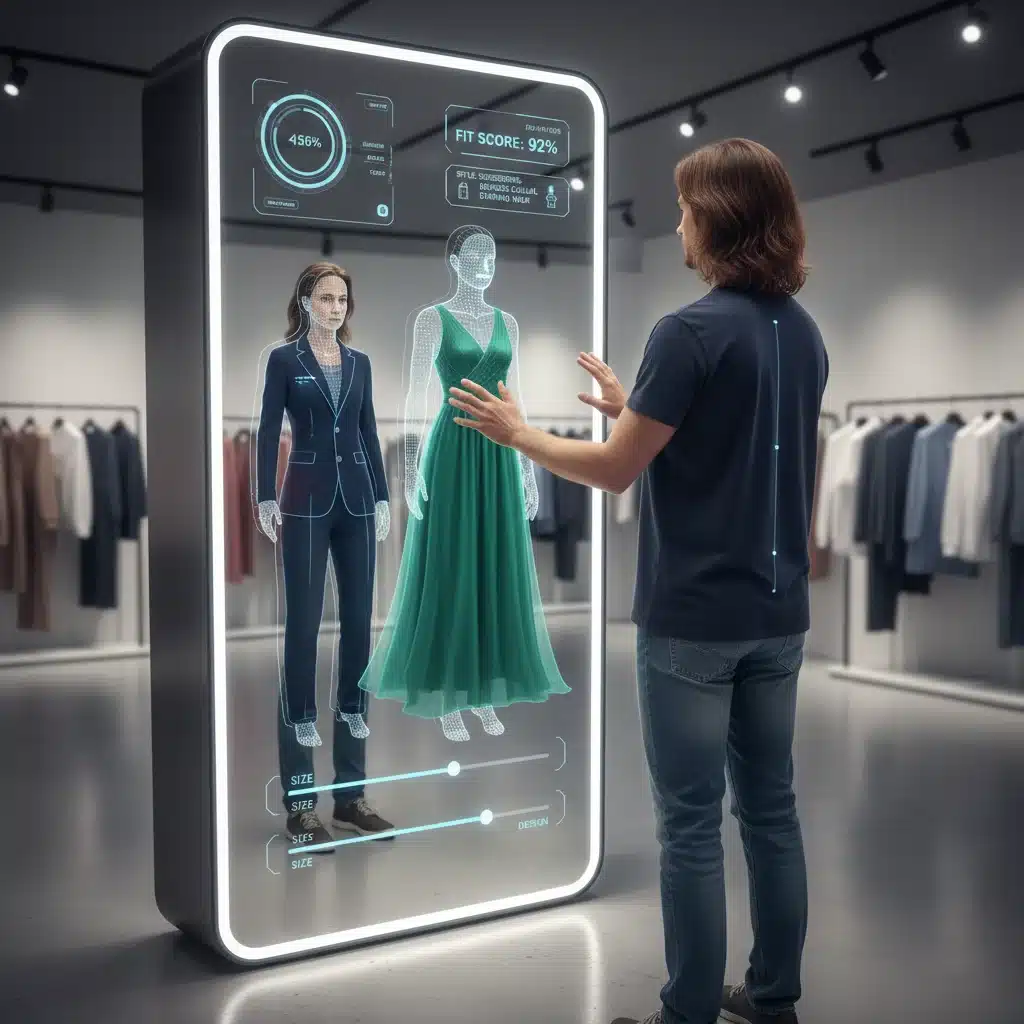
Imagine walking into a store, getting a quick body scan, and instantly receiving personalized sizing recommendations across all brands and styles. This is the reality today. Retailers are integrating scanners into their fitting rooms or offering at-home scanning solutions via smartphone apps (with varying degrees of accuracy). The scan data is then matched against garment specifications, providing an optimal size recommendation that goes beyond a simple ‘small,’ ‘medium,’ or ‘large.’ This not only enhances the customer experience but also minimizes returns due to poor fit, a major pain point for e-commerce.
Custom-Made and Made-to-Measure Clothing
Beyond recommendations, body scan technology is powering the resurgence of custom-made apparel. For high-end fashion and specialized garments, scan data can be directly fed into CAD (Computer-Aided Design) software, allowing designers to create patterns that are perfectly contoured to an individual’s unique dimensions. This eliminates the need for multiple fittings and ensures an impeccable fit for suits, dresses, and even bespoke casual wear. This level of precision was once reserved for the elite, but advancements in scanning and manufacturing are making it increasingly accessible.
Virtual Try-On Experiences
The integration of body scan technology with augmented reality (AR) and virtual reality (VR) is transforming the online shopping experience. Consumers can upload their body scan data, and then virtually ‘try on’ clothing in a digital environment. These advanced virtual try-on platforms can simulate how a garment will drape, stretch, and fit on their specific body shape, offering a much more realistic preview than static images. This innovative approach allows consumers to make informed purchasing decisions, reducing uncertainty and increasing satisfaction.
Sustainable Fashion and Waste Reduction
The benefits extend beyond individual consumers. By reducing returns and enabling more efficient production of custom or made-to-order items, body scan technology contributes significantly to sustainable fashion practices. Less overproduction, fewer returned items needing reprocessing or disposal, and a more precise inventory management system all lead to a smaller environmental footprint for the industry. This technological shift aligns perfectly with the growing consumer demand for ethical and sustainable brands.
Revolutionizing Health and Fitness: Personalized Pathways to Well-being
The impact of body scan technology in 2026 is arguably even more profound in the health and fitness sectors, offering unprecedented insights into body composition, progress tracking, and personalized exercise and nutrition plans.
Precise Body Composition Analysis
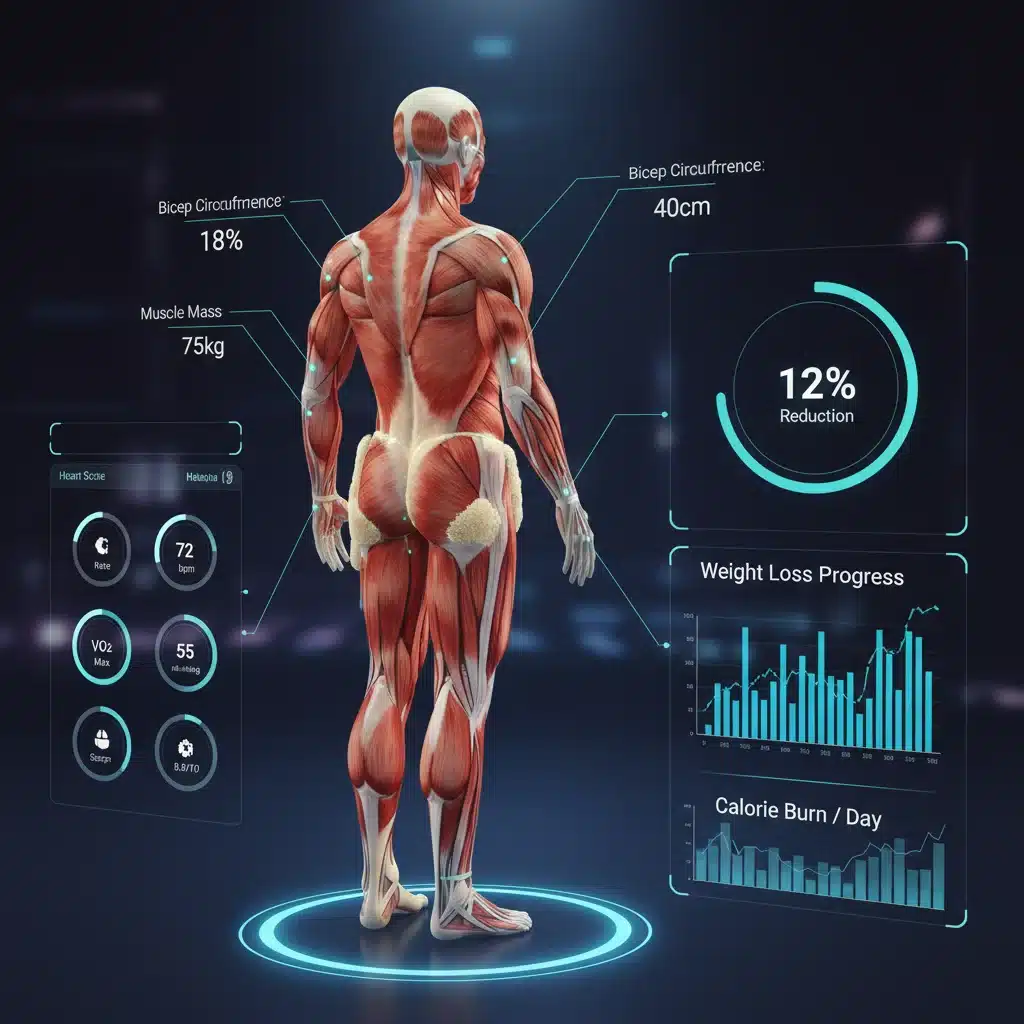
Forget imprecise scales and calipers. Advanced body scanners now provide highly accurate data on body composition, including precise measurements of lean muscle mass, fat mass, and even bone density. This level of detail allows individuals and trainers to track progress far more effectively than traditional methods. Seeing a 3D visual representation of changes in muscle growth or fat loss can be incredibly motivating and provides objective evidence of the effectiveness of a fitness regimen.
Tailored Exercise and Rehabilitation Programs
With detailed body measurements and postural analysis, fitness professionals can create truly personalized exercise programs. Scanners can identify imbalances, asymmetries, and areas of weakness, allowing trainers to design routines that target specific needs, optimize performance, and minimize the risk of injury. In rehabilitation, body scan technology assists physical therapists in monitoring recovery, assessing range of motion, and ensuring exercises are performed correctly to facilitate optimal healing.
Personalized Nutrition Guidance
Understanding an individual’s precise body composition is crucial for effective nutrition planning. Dietitians and nutritionists can leverage body scan data to calculate metabolic rates more accurately, set realistic body composition goals, and create meal plans that are perfectly aligned with an individual’s energy needs and fitness objectives. This data-driven approach moves away from generic dietary advice, leading to more sustainable and successful outcomes.
Health Monitoring and Early Detection
Beyond fitness, body scan technology is becoming a valuable tool in general health monitoring. Regular scans can help track changes in body shape and composition that might indicate underlying health issues, such as fluid retention or significant weight fluctuations. While not a diagnostic tool in itself, it can provide early indicators that prompt further medical investigation. Some advanced systems are even exploring the integration of thermal imaging to detect temperature anomalies, potentially flagging areas of inflammation or other concerns.
Beyond Fashion and Fitness: Diverse Applications of Body Scan Technology
The versatility of body scan technology extends far beyond apparel and personal training, finding innovative applications in a multitude of other industries in 2026.
Ergonomics and Workplace Design
Ensuring ergonomic comfort and safety in the workplace is paramount. Body scans can be used to custom-design workstations, chairs, and tools that perfectly match an employee’s anthropometry, reducing the risk of musculoskeletal disorders and improving productivity. This is particularly valuable in industries requiring specialized equipment or prolonged periods in specific postures.
Automotive and Aerospace Industries
In the automotive and aerospace sectors, precision fit is critical for both safety and comfort. Body scan technology aids in designing vehicle interiors, seats, and safety systems (like airbags and seatbelts) that are optimized for a wider range of body types. This ensures that safety features are effective for all occupants and that driving or flying experiences are as comfortable as possible, reducing fatigue on long journeys.
Gaming and Virtual Avatars
The gaming industry is embracing body scanning to create highly realistic and personalized in-game avatars. Players can scan themselves and have their digital likeness accurately recreated in virtual worlds, enhancing immersion and connection to their characters. This also opens up possibilities for virtual clothing stores within games, where players can ‘try on’ and purchase digital garments that fit their scanned avatar perfectly.
Medical and Prosthetics
In the medical field, body scan technology is invaluable for creating custom prosthetics, orthotics, and medical devices. The precise 3D models ensure a perfect fit, which is crucial for comfort, function, and preventing complications. This technology significantly reduces the time and cost associated with traditional casting methods, improving patient outcomes and streamlining the manufacturing process for personalized medical aids.
Challenges and Ethical Considerations of Body Scan Technology
While the benefits of body scan technology are immense, its widespread adoption also brings forth several challenges and ethical considerations that must be addressed.
Data Privacy and Security
The most significant concern revolves around data privacy. Body scan data is highly personal and can reveal sensitive information about an individual’s health, body shape, and even potential vulnerabilities. Ensuring robust encryption, secure storage, and clear consent mechanisms for how this data is collected, used, and shared is paramount. Regulatory frameworks like GDPR and CCPA provide a baseline, but specific legislation for biometric and anthropometric data may become necessary as the technology evolves.
Accuracy and Standardization
While advanced, the accuracy of body scan technology can vary depending on the system, environmental conditions, and user posture. Establishing industry-wide standards for accuracy, calibration, and data formats will be crucial for interoperability and ensuring consistent results across different platforms and applications. Consumers need to be confident that the data they receive is reliable and actionable.
Accessibility and Cost
Despite decreasing costs, high-precision body scanners can still be a significant investment. Ensuring equitable access to this technology, especially for health-related applications, will be an ongoing challenge. Developing more affordable and portable solutions, or integrating scanning capabilities into common devices, will be key to broader adoption.
Ethical Use and Bias
The potential for misuse of body scan data, such as for discriminatory purposes or to promote unhealthy body image ideals, is a serious ethical concern. Developers and users of body scan technology must adhere to strict ethical guidelines, ensuring that the technology is used to empower individuals and promote well-being, rather than to create new forms of judgment or bias. Algorithmic fairness in data processing is also critical to ensure that recommendations and analyses are unbiased across diverse populations.
The Future Landscape: What’s Next for Body Scan Technology?
Looking ahead, the trajectory of body scan technology is one of continuous innovation and integration. We can anticipate several key developments that will further embed this technology into our daily lives.
Ubiquitous Integration and Miniaturization
Expect to see body scanning capabilities integrated into more everyday objects and environments. Smart mirrors at home, public kiosks in shopping centers, and even advanced smartphone apps will likely offer increasingly accurate scanning. The goal is to make capturing body data as simple and routine as taking a photograph, without requiring specialized equipment or dedicated visits to a scanning center.
Dynamic Scanning and Real-time Feedback
Current systems primarily capture static body data. The next frontier involves dynamic scanning – capturing body shape and movement in real-time. This would revolutionize fields like sports performance analysis, physical therapy, and even animation, allowing for a deeper understanding of biomechanics and how the body changes during activity. Imagine a fitness tracker that not only monitors your heart rate but also analyzes your running form in 3D to suggest improvements.
Predictive Analytics and Proactive Solutions
As large datasets of body scan information are aggregated (anonymously and with consent), AI and machine learning will enable powerful predictive analytics. This could mean anticipating future health risks based on changes in body composition over time, or even predicting how a garment will fit a new design based on a user’s historical data. The focus will shift from reactive problem-solving to proactive, personalized solutions.
Enhanced Material Science and Manufacturing
The synergy between body scan technology and advanced manufacturing techniques, such as 3D printing and robotic tailoring, will lead to truly on-demand, custom-fit products. Imagine ordering a pair of shoes that are 3D-printed to the exact contours of your feet, or a jacket that is robotically assembled based on your precise body measurements and preferred fit profile. This level of integration promises to transform supply chains and consumer experiences.
Ethical AI and Transparent Data Governance
As the technology becomes more pervasive, the development of ethical AI frameworks and transparent data governance policies will be critical. Public trust will depend on companies demonstrating a commitment to responsible data handling, user control over their biometric information, and an unwavering focus on using this powerful technology for societal good. Open dialogue between technologists, policymakers, and the public will be essential to navigate these complex ethical landscapes.
Conclusion: Embracing a Perfectly Fitted Future
Body scan technology in 2026 is far more than a niche innovation; it is a foundational technology that is reshaping industries and personal experiences on a global scale. From ensuring your clothes fit like a second skin to empowering you with precise health insights, its applications are vast and transformative. We are moving towards a future where products and services are no longer designed for the average, but meticulously crafted for the individual.
While challenges related to data privacy, standardization, and accessibility remain, the rapid pace of development and the clear benefits suggest that these hurdles will be overcome. The journey towards a perfectly fitted future is well underway, driven by the incredible potential of body scan technology to enhance comfort, efficiency, and overall well-being. As consumers, we stand at the precipice of an era where understanding and optimizing our physical selves becomes easier and more intuitive than ever before. Prepare to embrace a world where everything, quite literally, fits perfectly.