Plus-Size Fit Standards: Recent Updates & Consumer Impact
Anúncios
Recent Updates in Plus-Size Fit Standards: What Changed in the Last 3 Months for Consumers?
The fashion industry is an ever-evolving landscape, constantly striving to meet the diverse needs and expectations of its global consumer base. One area that has seen significant scrutiny and, thankfully, progressive change in recent years is plus-size fashion. For far too long, the plus-size market was an afterthought, often relegated to ill-fitting, shapeless garments that did little to celebrate the beauty and variety of larger body types. However, a powerful movement for inclusivity and body positivity has spurred brands to re-evaluate their approaches, leading to crucial plus-size fit updates. In the last three months, we’ve witnessed a particularly dynamic period of adjustment, with several brands and industry bodies announcing new guidelines and practices. This article delves deep into these recent developments, exploring what has changed, why these changes are important, and what they mean for you, the consumer.
Anúncios
Understanding the historical context is vital to appreciating the current shifts. Historically, plus-size clothing was often created by simply scaling up straight sizes, a practice that fundamentally misunderstands the nuances of larger bodies. This led to garments that were too wide in some areas and too tight in others, lacking proper darting, seam placement, and overall proportion. The result was frustration, discomfort, and a feeling of being overlooked by the fashion world. The call for better-fitting, stylish, and comfortable plus-size clothing has grown into a roar, and the industry is finally beginning to listen. The recent plus-size fit updates are a testament to this ongoing dialogue and the increasing demand for genuine inclusivity.
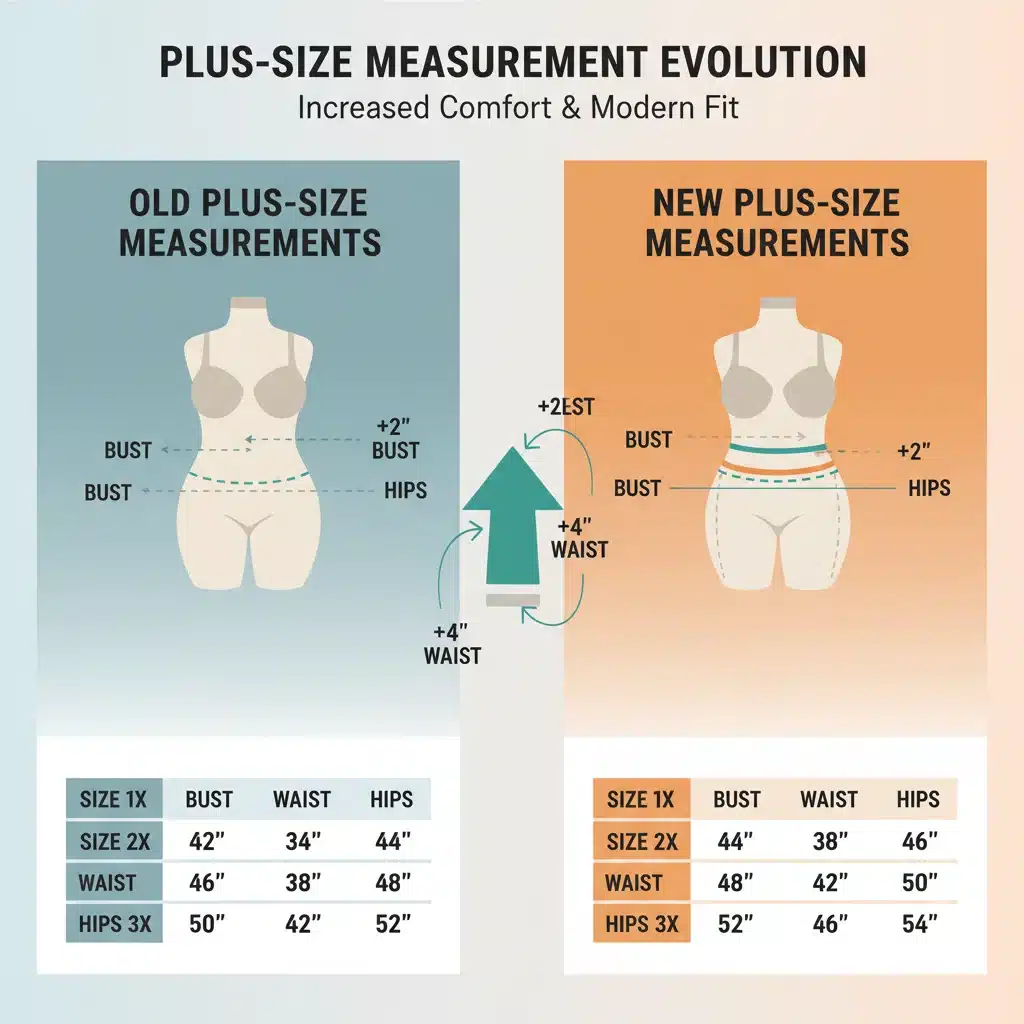
So, what exactly has transpired in the last quarter? This period has been marked by a noticeable acceleration in brands adopting more sophisticated sizing methodologies, driven by consumer feedback, advancements in body scanning technology, and a broader industry commitment to diversity. We’re seeing a move away from arbitrary scaling and towards a more data-driven, body-centric approach to design and fit. This means a greater focus on actual body measurements of plus-size individuals, rather than extrapolated data from smaller sizes. For consumers, these updates translate into clothes that not only fit better but also feel more comfortable and allow for greater self-expression. The implications are far-reaching, promising a more satisfying shopping experience and a more equitable fashion industry.
Anúncios
The Driving Force Behind Recent Plus-Size Fit Updates
The impetus for these significant plus-size fit updates is multifaceted. Primarily, it stems from the undeniable power of consumer demand. Social media platforms have amplified the voices of plus-size individuals, creating communities where experiences with ill-fitting clothing are shared, and calls for change are organized. This collective voice has become impossible for brands to ignore. Consumers are not just asking for more sizes; they are demanding better-fitting sizes that cater to the true diversity of plus-size bodies, which are not monolithic.
Beyond consumer advocacy, technological advancements have played a crucial role. 3D body scanning, for instance, allows brands to gather highly accurate and detailed measurements from a wide range of body types. This data provides invaluable insights into common fit issues and informs the creation of more sophisticated pattern blocks. Instead of relying on outdated or generalized size charts, brands can now develop sizing that is truly representative of their target demographic. This scientific approach is revolutionizing how plus-size garments are designed, moving from guesswork to precision.
Furthermore, the broader societal shift towards body positivity and inclusivity has created a fertile ground for these changes. Brands are increasingly recognizing that catering to a wider range of body types is not just a matter of social responsibility but also a sound business strategy. The plus-size market represents a significant and often underserved demographic with considerable purchasing power. By offering well-fitting, stylish options, brands can tap into this market, foster brand loyalty, and enhance their reputation as inclusive and forward-thinking. The competitive landscape also plays a role; as some brands make strides in plus-size fitting, others are compelled to follow suit to remain relevant and competitive.
Key Changes in Plus-Size Sizing Standards Over the Last Quarter
In the past three months, several specific areas have seen notable plus-size fit updates. These changes are not always universal across all brands but represent emerging trends and best practices that are gaining traction:
- Refined Grading Rules: Traditional grading (the process of scaling patterns up or down) often resulted in disproportionate increases in certain dimensions. Recent updates focus on more nuanced grading rules that account for the different ways plus-size bodies grow. This means, for example, that while a garment might increase in width, the armhole depth or sleeve circumference might increase at a different, more appropriate rate.
- Improved Bust-to-Waist-to-Hip Ratios: One of the most common complaints about old plus-size sizing was the lack of consideration for varying body shapes within the plus-size category. Many older patterns assumed an hourglass figure, leaving apple, pear, and other body shapes struggling for a good fit. Newer standards are incorporating a wider range of bust-to-waist-to-hip ratios, leading to better fit for more individuals.
- Greater Attention to Armholes and Sleeves: A perennial pain point for plus-size consumers has been tight armholes and restrictive sleeves. Brands are now investing in research to develop more comfortable and functional armhole designs and sleeve widths, ensuring ease of movement and comfort.
- Enhanced Waistband Design: For pants and skirts, updated standards often include wider, more comfortable waistbands, sometimes with elastic inserts or contoured shapes, to prevent gaping at the back or digging into the stomach. The rise (the distance from the crotch seam to the top of the waistband) is also being adjusted to better suit plus-size proportions.
- Fabric Considerations: While not strictly a fit standard, the choice of fabric significantly impacts fit and comfort. There’s a growing trend towards using more stretch fabrics, especially those with good recovery, to accommodate body variations and provide greater flexibility without sacrificing shape.
- Standardization Efforts: While a universal standard remains elusive, some industry consortia and organizations are working towards establishing more consistent guidelines for plus-size measurements, which could eventually lead to greater uniformity across brands.
These changes reflect a deeper understanding of plus-size anatomy and a commitment to creating garments that truly fit and flatter. It’s a move away from a one-size-fits-all (or one-grading-rule-fits-all) mentality towards a more tailored and thoughtful approach.
The Impact on Consumers: A More Inclusive Shopping Experience
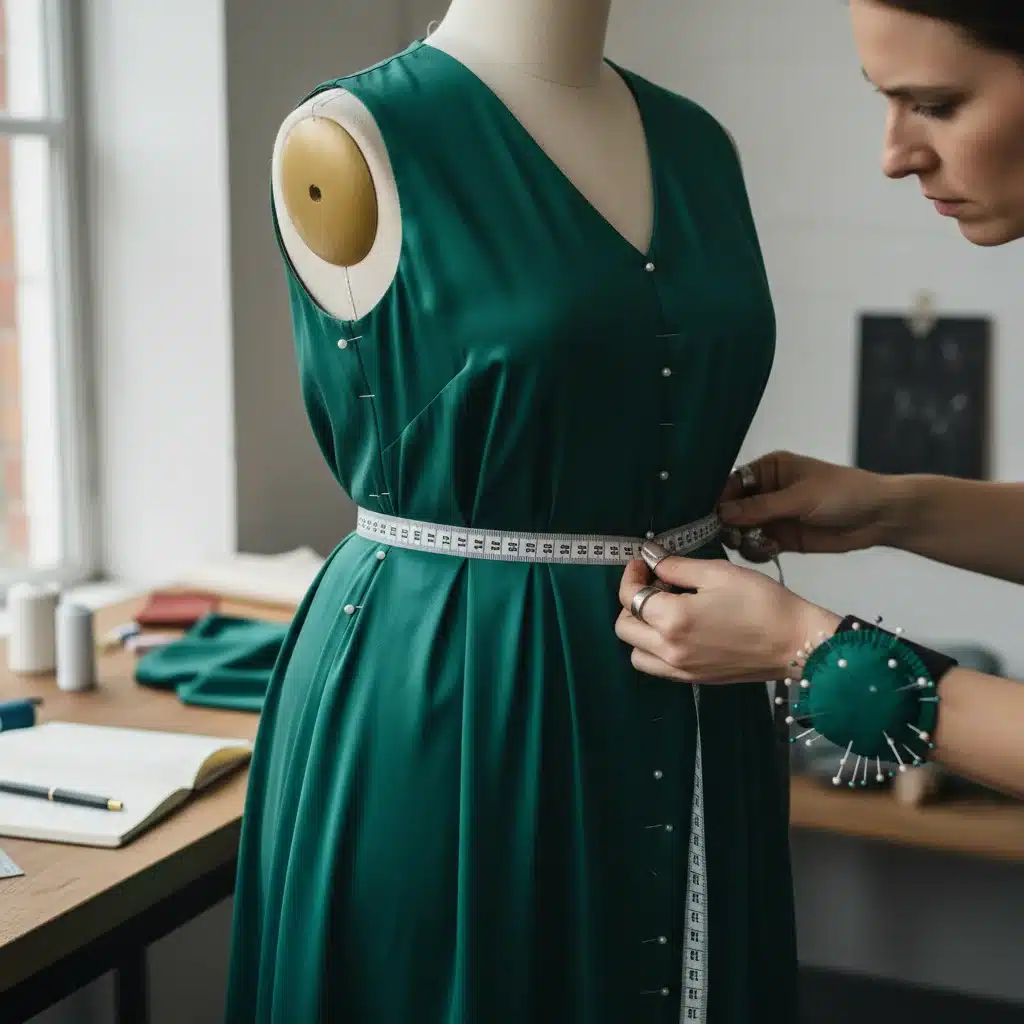
For consumers, these plus-size fit updates translate into a significantly improved shopping experience. The immediate and most tangible benefit is better-fitting clothing. No longer will consumers have to size up just to accommodate their bust, only to find the shoulders are too broad, or buy pants that fit their hips but gape at the waist. The new standards aim to address these common frustrations, leading to garments that feel custom-made.
Beyond just fit, these changes foster a sense of inclusivity and validation. When brands invest in understanding and catering to plus-size bodies, it sends a powerful message: these consumers are valued, seen, and deserving of fashionable, comfortable clothing. This positive reinforcement can significantly impact body image and self-esteem, transforming the often-dreaded clothes shopping trip into an enjoyable and empowering activity.
Furthermore, the updates are leading to a broader selection of styles. As brands become more confident in their plus-size fit, they are more willing to experiment with diverse designs, cuts, and trends. This means plus-size consumers are no longer limited to a narrow range of basic or frumpy options but can explore the full spectrum of fashion, from avant-garde to classic, just like their straight-sized counterparts. This expansion of choice is a direct consequence of improved foundational fit.
Navigating the New Sizing Landscape: Tips for Plus-Size Shoppers
While the recent plus-size fit updates are overwhelmingly positive, they do introduce a period of adjustment for consumers. As brands refine their sizing, what was once a reliable size for you might now fit differently. Here are some tips to navigate this evolving landscape:
- Know Your Measurements: This is more crucial now than ever. Don’t just rely on your old size. Take accurate measurements of your bust, waist, hips, and even bicep circumference. Keep these handy when shopping online or in-store.
- Check Size Charts Religiously: Every brand’s size chart is unique, and with ongoing updates, they can change. Always consult the brand-specific size chart before making a purchase, especially when trying a new brand or a new line from a familiar brand.
- Read Reviews: Other consumers are your best resource. Look for reviews that specifically mention fit, especially from individuals with similar body types to yours. Pay attention to comments about specific areas like sleeves, waistbands, or bust fit.
- Understand Fabric Composition: Fabrics with stretch (like elastane or spandex blends) offer more flexibility in fit. Non-stretch fabrics will require more precise measurements.
- Don’t Be Afraid to Try Different Sizes: If you’re unsure, order or try on multiple sizes (e.g., your usual size and one size up or down). Many online retailers offer free returns, making this a viable option.
- Look for Fit Guides and Models: Some progressive brands are now providing detailed fit guides, body shape recommendations, and even showcasing their clothing on multiple plus-size models with different body types. Utilize these resources.
- Give Feedback: Your voice still matters! If a garment fits exceptionally well or poorly, let the brand know. This feedback is invaluable for their continued refinement of plus-size fit updates.
By being proactive and informed, plus-size shoppers can fully benefit from these industry improvements and find clothing that truly makes them feel confident and comfortable.
Brands Leading the Charge in Plus-Size Fit Updates
While it’s impractical to list every brand making strides, several have been particularly vocal or demonstrably active in implementing significant plus-size fit updates in recent months. These brands often invest in extensive fit testing with diverse plus-size models, utilize advanced pattern-making techniques, and actively solicit customer feedback to refine their offerings.
- Universal Standard: Known for its extensive size range (00-40) and meticulous fit research, Universal Standard continues to set a high bar. They frequently update their core patterns based on new body data, ensuring a consistent and comfortable fit across their collections. Their focus on proportional grading is a benchmark for the industry.
- ASOS Curve: As a major online retailer, ASOS has a vast reach. Their ASOS Curve line has been actively refining its fit, often based on direct customer feedback and detailed analysis of returns data. They’ve shown particular improvement in areas like denim and tailored pieces, which historically presented significant fit challenges.
- Old Navy/Gap Inc.: These mainstream retailers have made concerted efforts to improve their plus-size offerings, not just in terms of availability but also fit. They’ve invested in expanding their size ranges and redesigning patterns to better accommodate plus-size bodies, especially in their activewear and casual categories.
- Eloquii: A brand dedicated solely to plus-size fashion, Eloquii has always prioritized fit. Their recent efforts have focused on even greater precision in tailoring and addressing specific fit nuances for different plus-size body types, ensuring their fashion-forward pieces are also comfortable and well-constructed.
- Third-Party Fit Technology Providers: Companies like Alvanon, which provide standardized fit forms and body data to brands, are also playing a crucial behind-the-scenes role. Their ongoing research and development in plus-size body mapping directly contribute to the overall industry improvements in fit standards.
This list is by no means exhaustive, but it highlights the kind of commitment and investment required to make meaningful plus-size fit updates. These brands are setting a positive example for the rest of the industry, demonstrating that inclusive sizing is not just possible but essential for modern fashion.
The Road Ahead: What More Can We Expect from Plus-Size Fit Updates?
While the progress over the last three months has been encouraging, the journey towards truly perfect and universally inclusive plus-size fit is ongoing. We can anticipate several further developments in the coming months and years:
- Increased Personalization: As AI and data analytics become more sophisticated, we might see more personalized fit recommendations, perhaps even virtual try-on experiences that are highly accurate for plus-size bodies.
- Standardization Across the Board: While challenging, the push for more standardized plus-size measurement charts across brands will likely continue. This would greatly simplify the shopping experience for consumers.
- Specialized Plus-Size Design Schools/Curricula: To address the historical lack of expertise, we might see more fashion design programs incorporating specialized training in plus-size pattern making and fit.
- Continued Focus on Diverse Body Shapes: Beyond just size, there will be an increased emphasis on designing for different plus-size body shapes (e.g., apple, pear, hourglass, inverted triangle) rather than a generic plus-size template.
- Innovation in Performance Wear: As the activewear market expands for plus-size individuals, expect significant innovations in fabrics, construction, and fit specifically designed for movement and support.
- Sustainable and Ethical Plus-Size Production: As the market matures, there will be a greater focus on combining excellent fit with sustainable and ethical production practices, mirroring trends in the broader fashion industry.
The future of plus-size fashion looks brighter than ever, with fit at its core. These ongoing plus-size fit updates are not just about clothes; they are about dignity, self-expression, and celebrating every body.
The Role of Technology in Advancing Plus-Size Fit
Technology is undeniably a game-changer in the quest for superior plus-size fit. The last three months have highlighted how critical tools like 3D body scanning, advanced CAD (Computer-Aided Design) software, and AI-driven analytics are becoming. Traditional methods of pattern making, while foundational, often struggled to accurately capture the complexities and variations of plus-size bodies. Scaling up a size 8 pattern to a size 18 rarely yields a garment that truly fits a size 18 body optimally. This is where modern technology steps in.
3D Body Scanning: This technology allows brands to collect precise measurements from thousands of individuals across the plus-size spectrum. Instead of relying on a limited number of fit models, brands can access a vast database of real-world body data. This data reveals common fit challenges, unique body shape characteristics, and how measurements correlate across different sizes. This empirical evidence is invaluable for creating more accurate and inclusive sizing charts and pattern blocks, directly influencing the quality of plus-size fit updates.
Advanced CAD Software: Once body data is collected, CAD software enables designers and pattern makers to translate this information into highly precise patterns. These programs allow for intricate adjustments to grading rules, dart placement, seam lines, and overall garment construction in a way that traditional manual methods would find incredibly time-consuming and prone to error. The ability to visualize and manipulate patterns in 3D also helps in identifying potential fit issues before a physical sample is even made, saving time and resources.
AI and Machine Learning: Artificial intelligence is being leveraged to analyze vast datasets of customer feedback, return reasons, and sales data to identify recurring fit issues. AI algorithms can detect patterns that human analysis might miss, guiding brands on where to focus their fit improvement efforts. For example, if a particular style consistently receives feedback about tight armholes for certain sizes, AI can flag this for immediate attention, leading to targeted plus-size fit updates. Furthermore, AI can power personalized recommendation engines, helping customers find their best fit based on their unique measurements and preferences.
Virtual Try-On Technologies: While still evolving, virtual try-on platforms are becoming more sophisticated. These technologies allow customers to see how a garment might look and fit on a digital avatar that closely matches their own body shape and size. For plus-size consumers, who often face limited in-store options, this can be a powerful tool to reduce uncertainty and improve shopping confidence, minimizing returns due to poor fit.
The integration of these technologies is not just about efficiency; it’s about creating a more scientific, data-driven, and ultimately more empathetic approach to plus-size fashion. It ensures that plus-size fit updates are based on real bodies and real needs, moving beyond assumptions and towards precision.
The Economic and Social Implications of Improved Plus-Size Fit
The ongoing plus-size fit updates have significant implications that extend beyond just the individual consumer experience, touching upon economic and social spheres.
Economic Impact: The plus-size market is a powerhouse, representing a substantial portion of the global consumer base. When brands offer well-fitting and fashionable plus-size options, they unlock immense economic potential. Improved fit leads to higher customer satisfaction, reduced return rates (which are costly for retailers), increased brand loyalty, and ultimately, greater sales. Brands that prioritize inclusive sizing are positioning themselves for growth in a market segment that has historically been underserved. This creates a positive feedback loop: as more brands invest, the market grows, attracting further investment and innovation. This financial incentive is a strong motivator for continued plus-size fit updates.
Social Impact: On a societal level, better plus-size fit contributes to a more inclusive and equitable fashion landscape. When plus-size individuals can find clothing that fits well and makes them feel good, it challenges harmful stereotypes and promotes body positivity. It sends a message that all bodies are worthy of stylish and comfortable clothing, fostering a sense of belonging and reducing feelings of marginalization. This shift can have profound effects on mental well-being, self-esteem, and social participation. Fashion, after all, is a form of self-expression, and denying access to well-fitting clothing is akin to denying a fundamental aspect of identity for many. The recent plus-size fit updates are therefore not just about fabric and seams; they are about dignity and empowerment.
Moreover, the increased visibility of well-dressed plus-size individuals in media and advertising, made possible by better-fitting clothes, further normalizes and celebrates body diversity. This helps to dismantle unrealistic beauty standards and promote a healthier, more accepting view of human bodies across society. The ripple effect of these changes can be felt in areas like health, media representation, and even public policy, as the conversation around body diversity gains momentum.
Conclusion: A New Era for Plus-Size Fashion
The past three months have been a period of exciting and meaningful change for plus-size fashion. The acceleration of plus-size fit updates reflects a growing understanding within the industry of the diverse needs of plus-size consumers, driven by powerful consumer advocacy, technological innovation, and a broader societal push for inclusivity. From refined grading rules and better bust-to-waist-to-hip ratios to more comfortable armholes and waistbands, these changes are making a tangible difference in the quality and comfort of plus-size clothing.
For consumers, this means a more satisfying and empowering shopping experience, with access to a wider array of well-fitting and fashionable garments. While the journey towards perfect inclusivity is ongoing, the momentum is undeniable. Brands are recognizing the economic and social imperative of catering to all body types, leading to a more vibrant, diverse, and equitable fashion industry. As we look ahead, the continued integration of technology, further standardization efforts, and an even deeper focus on individual body shapes promise an even brighter future for plus-size fashion. It’s an exciting time to be a plus-size consumer, as the industry finally catches up to the demand for fashion that truly fits every body.


