2026 Sustainable Fashion Guide: 5 Key Style Swaps for a Greener Wardrobe
Anúncios
The 2026 Guide to Sustainable Fashion: 5 Key Style Swaps for a Greener Wardrobe
The fashion industry, for decades, has been a significant contributor to environmental degradation and social injustice. From excessive water consumption and chemical pollution to exploitative labor practices and mountains of textile waste, its impact is undeniable. However, as we step into 2026, a powerful shift is underway. Consumers are increasingly aware, brands are adapting, and the concept of a sustainable fashion guide is no longer a niche idea but a mainstream necessity. This comprehensive guide will navigate you through the evolving landscape of eco-conscious style, offering five crucial style swaps to help you cultivate a truly greener, more ethical wardrobe.
Anúncios
Building a sustainable wardrobe isn’t about sacrificing style or breaking the bank; it’s about making informed choices that align with your values and contribute to a healthier planet. It’s about understanding the lifecycle of your clothes, from fiber to landfill, and actively seeking alternatives that minimize harm. In 2026, the tools and resources for sustainable living are more accessible than ever, making it easier for everyone to participate in this vital movement. Our sustainable fashion guide aims to empower you with the knowledge and actionable steps needed to make a real difference.
Understanding the Urgency: Why Sustainable Fashion Matters in 2026
Before diving into the practical swaps, it’s essential to grasp the profound reasons why sustainable fashion has become such a critical conversation. The statistics are stark: the fashion industry is responsible for 10% of global carbon emissions, more than international flights and maritime shipping combined. It’s the second-largest consumer of the world’s water supply, and 85% of textiles end up in landfills each year. Fast fashion’s model of rapid production, low prices, and disposable trends has exacerbated these issues, creating a culture of overconsumption and waste.
Anúncios
Beyond environmental concerns, there are significant social implications. Many garments are produced in factories with poor working conditions, low wages, and inadequate safety standards, primarily impacting vulnerable communities in developing countries. The pursuit of cheap labor often comes at a high human cost. As conscious consumers, understanding these facets is the first step towards embracing a sustainable fashion guide philosophy.
In 2026, the climate crisis is more evident than ever, and consumers are demanding transparency and accountability from brands. Governments are also starting to implement stricter regulations on environmental practices and labor laws within the industry. This collective pressure is catalyzing innovation and driving a shift towards more ethical and eco-friendly production methods. By choosing sustainable fashion, you are not just buying clothes; you are investing in a future where people and the planet thrive.
Style Swap 1: From Fast Fashion to Thoughtful Investment Pieces
The most impactful shift you can make is moving away from the allure of fast fashion. Fast fashion thrives on trends that last a season, encouraging constant new purchases and contributing to the cycle of waste. Instead, embrace the philosophy of thoughtful investment. This means choosing fewer, higher-quality pieces that are designed to last, both in terms of durability and timeless style. Think of it as building a capsule wardrobe, where each item is versatile, well-made, and truly loved.
The Benefits of Investing in Quality:
- Longevity: High-quality garments made from durable materials like organic cotton, linen, hemp, Tencel, or recycled fibers will withstand wear and tear much better than their fast-fashion counterparts. This reduces the need for frequent replacements.
- Reduced Environmental Impact: When you buy fewer items, you reduce the demand for new production, thereby lowering the associated environmental footprint of water, energy, and chemical use.
- Cost-Effectiveness in the Long Run: While the initial price tag might be higher, the cost-per-wear of a durable, timeless piece will often be lower than constantly replacing cheap, disposable items.
- Better Aesthetics and Comfort: Quality fabrics and construction often translate to better fit, feel, and overall aesthetic appeal.
- Supporting Ethical Production: Brands focusing on quality often have more transparent supply chains and better labor practices.
When making an investment, research the brand. Look for certifications like GOTS (Global Organic Textile Standard) for organic materials, Fair Trade for ethical labor, or B Corp for overall social and environmental performance. This due diligence is a cornerstone of our sustainable fashion guide.
Style Swap 2: Embrace Secondhand and Vintage Fashion
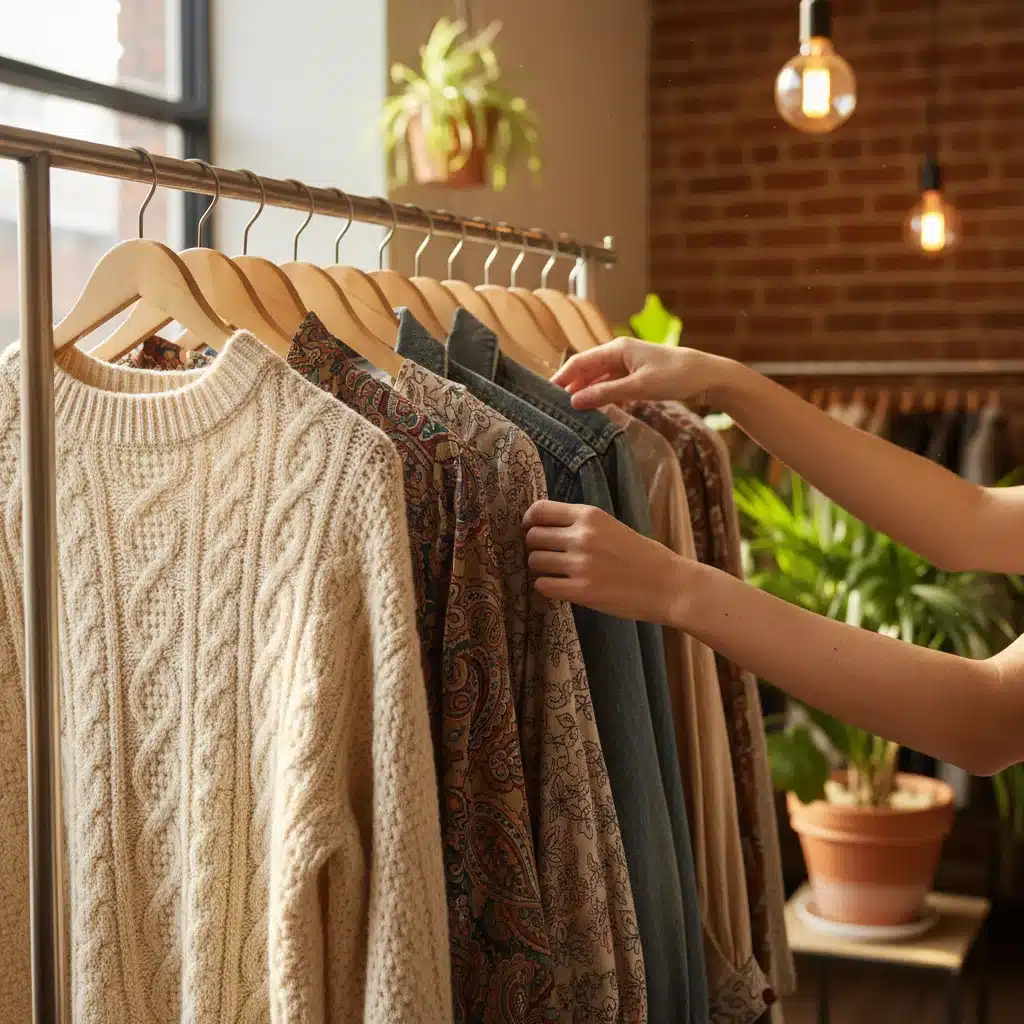
One of the most sustainable ways to refresh your wardrobe is to buy pre-loved. The secondhand market has exploded in recent years, with a plethora of options from local thrift stores and consignment shops to online marketplaces and vintage boutiques. This approach directly combats textile waste and extends the life of existing garments, preventing them from ending up in landfills.
Why Secondhand is a Game-Changer:
- Circular Economy: Buying secondhand keeps clothes in circulation, reducing the demand for new production and minimizing resource extraction. It’s a prime example of a circular economy in action.
- Unique Style: Vintage and secondhand pieces often offer unique styles, patterns, and silhouettes that you won’t find in mainstream stores, allowing you to develop a distinctive personal aesthetic.
- Affordability: You can often find high-quality, designer, or unique items at a fraction of their original price, making sustainable fashion more accessible.
- Reduced Environmental Footprint: Every secondhand purchase saves water, energy, and chemicals that would have been used to produce a new garment.
Platforms like Depop, ThredUp, Poshmark, and Vestiaire Collective have made it incredibly easy to buy and sell secondhand clothes online. Locally, explore charity shops, vintage markets, and consignment stores. This is a fun and rewarding way to engage with the sustainable fashion guide principles.
Style Swap 3: Prioritize Sustainable Materials and Ethical Production
The materials your clothes are made from have a significant environmental footprint. Traditional cotton is notoriously water-intensive and often uses vast amounts of pesticides. Synthetic fibers like polyester and nylon are derived from fossil fuels and shed microplastics with every wash. In 2026, a growing array of innovative and sustainable materials are available, and choosing them is a key step in building a greener wardrobe.
Key Sustainable Materials to Look For:
- Organic Cotton: Grown without harmful pesticides or synthetic fertilizers, using less water than conventional cotton.
- Linen & Hemp: Highly durable, require minimal water and pesticides, and are naturally biodegradable. They are also breathable and comfortable.
- Tencel™ Lyocell & Modal: Derived from sustainably sourced wood pulp, produced in a closed-loop system that recycles water and solvents. Known for their softness and drape.
- Recycled Materials: Polyester (rPET) made from recycled plastic bottles, recycled cotton, and recycled wool reduce waste and conserve resources.
- Innovative Materials: Look out for emerging materials like Piñatex (pineapple leaf fiber), mushroom leather, and algae-based textiles, which are pushing the boundaries of sustainable innovation.
Ethical Production:
Beyond materials, consider the entire supply chain. Research brands that are transparent about their manufacturing processes, pay fair wages, and ensure safe working conditions. Certifications like Fair Trade, SA8000, and OEKO-TEX Standard 100 (which ensures no harmful chemicals are present) can provide assurance. A true sustainable fashion guide emphasizes both ecological and social responsibility.
Style Swap 4: Master the Art of Repair, Reuse, and Upcycling
In a world of disposability, embracing repair, reuse, and upcycling is a revolutionary act. Instead of discarding items at the first sign of damage or boredom, learn basic mending skills, get creative with alterations, or give old clothes a new life through upcycling. This not only saves money but also significantly reduces textile waste.
Practical Steps for Repair, Reuse, and Upcycling:
- Basic Mending: Learn to sew on a button, fix a loose hem, or mend a small tear. Many local community centers or online tutorials offer free resources for learning these essential skills.
- Alterations: A garment that doesn’t fit perfectly can often be altered to suit your body. Hemming trousers, taking in a waist, or restyling a neckline can transform an item.
- Creative Upcycling: Turn old jeans into shorts or a skirt, transform a large shirt into a crop top, or use fabric scraps for patchwork projects. The possibilities are endless for giving clothes a second life.
- Donation & Swapping: If an item no longer serves you, consider donating it to charity, participating in clothing swaps with friends, or selling it on secondhand platforms. Ensure items are in good condition for their next life.
By extending the lifespan of your clothing, you directly contribute to reducing the environmental impact of fashion. This proactive approach is a core tenet of any effective sustainable fashion guide.
Style Swap 5: Adopt Mindful Consumption and Care Practices
The journey to a sustainable wardrobe doesn’t end with what you buy; it extends to how you consume and care for your clothes. Mindful consumption means buying only what you truly need and love, avoiding impulse purchases, and resisting the pressure of fleeting trends. Proper garment care, on the other hand, ensures your clothes last longer and minimizes their environmental impact during their use phase.
Mindful Consumption Strategies:
- Inventory Your Wardrobe: Before buying anything new, take stock of what you already own. This helps prevent duplicate purchases and identifies gaps.
- Create a Wishlist: Instead of impulse buying, create a list of items you genuinely need. Wait a few days or weeks before purchasing to ensure it’s a considered decision.
- Research Before You Buy: Learn about the brand’s sustainability practices, material sourcing, and ethical commitments.
- Consider Renting or Borrowing: For special occasions or items you’ll only wear once, consider renting formal wear or borrowing from friends.
Sustainable Garment Care:
- Wash Less: Many garments don’t need to be washed after every wear. Airing them out or spot cleaning can often suffice.
- Wash Cold: Use cold water whenever possible, as heating water accounts for a significant portion of a washing machine’s energy consumption.
- Air Dry: Skip the dryer, which is energy-intensive and can damage clothes over time. Hang clothes to dry naturally.
- Use Eco-Friendly Detergents: Choose biodegradable detergents free from harsh chemicals.
- Microplastic Filters: Consider using a Guppyfriend washing bag or a filter for your washing machine to catch microfibers from synthetic clothes, preventing them from entering waterways.
- Follow Care Labels: While some care labels might seem overly cautious (e.g., ‘dry clean only’ for items that can be hand-washed), they provide valuable guidance for extending garment life.
By integrating these mindful practices, you complete the circle of a truly holistic sustainable fashion guide, ensuring your impact is positive from purchase to eventual end-of-life.

The Future of Sustainable Fashion in 2026 and Beyond
The journey towards a fully sustainable fashion industry is ongoing, but the progress made by 2026 is remarkable. We are seeing increased innovation in material science, with breakthroughs in biodegradable fabrics, lab-grown leathers, and even textiles made from agricultural waste. Digital fashion and virtual clothing are also emerging as ways to reduce physical consumption, offering new avenues for creative expression without environmental cost.
Traceability and transparency are becoming non-negotiable. Blockchain technology is being explored to track supply chains, providing consumers with verifiable information about where and how their clothes were made. Brands are investing in take-back programs, repair services, and rental models, shifting from a linear ‘take-make-dispose’ model to a more circular one.
Consumer education, like this sustainable fashion guide, remains paramount. The collective power of individual choices can drive systemic change. As more people demand ethical and eco-friendly options, the market responds, accelerating the transition towards a truly sustainable future for fashion.
Conclusion: Your Role in the Sustainable Fashion Movement
Embracing sustainable fashion is more than just a trend; it’s a commitment to a better future for our planet and its people. By making thoughtful style swaps – choosing quality over quantity, embracing secondhand, prioritizing sustainable materials, repairing and upcycling, and adopting mindful care practices – you become an active participant in this vital movement. The 2026 sustainable fashion guide is not a rigid set of rules, but a framework for conscious living, encouraging you to explore, learn, and adapt these principles to your unique style and circumstances.
Every decision, no matter how small, contributes to a larger impact. From the clothes you choose to wear to the way you care for them, you have the power to shape a more ethical and environmentally responsible fashion industry. Let 2026 be the year you fully commit to a greener wardrobe, inspiring others and making a tangible difference, one stylish, sustainable choice at a time.
Remember, sustainability in fashion is a continuous journey of learning and improvement. Stay curious, question brands, and celebrate every step you take towards a more conscious closet. Your greener wardrobe is not just a personal statement; it’s a powerful act of hope for the future.


