Reimagining Home Decor: The Latest Trends in Thrift Store Finds
Anúncios
Tired of your home looking like a page from a catalog? In a world increasingly saturated with mass-produced decor, a quiet revolution is underway. Savvy homeowners are ditching identical furniture sets and embracing the thrill of the hunt, transforming their living spaces with unique, character-filled pieces found in unexpected places. This shift isn’t just about saving money; it’s a powerful statement against disposability and a celebration of individuality.
The appeal of pre-loved decor has surged, driven by a collective desire for sustainability and authenticity. As consumers become more conscious about their environmental footprint and seek ways to express their personal style, thrift stores, estate sales, and online marketplaces have emerged as prime hunting grounds. The secondhand market for home goods is not just growing; it’s exploding, offering an endless array of items that tell a story far richer than anything new.
Anúncios
This article delves into the hottest trends in thrifted home decor, from retro revivals to artful accents, showing you exactly what to look for. We’ll equip you with advanced strategies for mastering the hunt, including where to find the best gems and how to spot quality. Finally, discover how to seamlessly integrate these unique finds into your modern home and navigate the evolving landscape of digital thrifting, ensuring your space reflects you.
The Evolving Appeal of Pre-Loved Decor
The hunt for unique home decor has fundamentally shifted, hasn’t it? Consumers are increasingly turning away from mass-produced items, instead seeking out sustainable options that tell a story. This move isn’t just about saving money — though that’s certainly a perk — it’s deeply rooted in a desire for originality and environmental consciousness. What most people miss is how rapidly this segment is expanding. The secondhand market, encompassing everything from vintage furniture to quirky trinkets, is projected to reach $350 billion by 2027, according to a recent ThredUp report. That’s a staggering 127% increase over its 2022 valuation. Shoppers now prioritize items that reflect their personal style, often finding inspiration in the unexpected aisles of a thrift store. It’s like finding a rare vinyl record — the thrill is in the discovery. This surge in popularity isn’t accidental; it mirrors a broader cultural pivot towards conscious consumption. People want to reduce their environmental footprint, and choosing pre-loved items for their homes is a tangible way to do that. It also offers an escape from the bland uniformity of big-box retailers, allowing individuals to curate spaces that feel like their own. Think about it: why settle for something everyone else has when you can unearth a one-of-a-kind piece? This trend isn’t just a fleeting fad; it’s a foundational shift in how we approach home aesthetics and smart shopping.
Spotlighting Current Trends: What’s Hot in Thrifted Home Goods
Forget the dusty antique shop stereotypes; today’s thrift stores are treasure troves for specific, coveted styles. Savvy shoppers aren’t just buying used items; they’re curating spaces with intention. The shift in what people seek out secondhand is telling, wouldn’t you agree? It reflects a broader move towards personal expression over mass-produced uniformity.
Anúncios
A recent survey by Statista indicated that the global secondhand market is projected to reach $350 billion by 2027, with home goods playing a significant role in that expansion. This growth isn’t random; it’s fueled by distinct trends.
Retro Revival: Embracing Nostalgic Aesthetics
Mid-century modern pieces, once a niche interest, have exploded in popularity. People are hunting for everything from original Eames-era chairs (or convincing reproductions) to sleek, minimalist credenzas. What most people miss is how these items, often built with superior craftsmanship, offer durability that modern furniture frequently lacks.
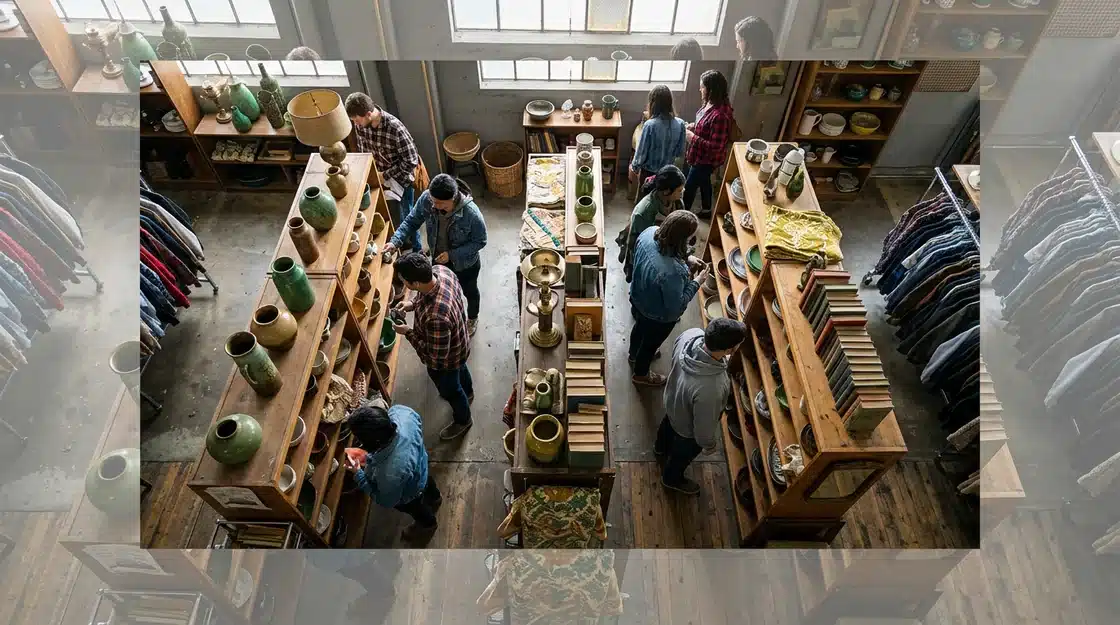
Beyond the 1950s and 60s, there’s a serious appetite for 70s-inspired ceramics, think earthy tones and organic shapes. I suspect that the tactile quality of these older items connects us to a time before digital overload. These aren’t just decor; they’re conversation starters. Consider how a single, quirky vintage lamp can instantly change a room’s vibe, much like a well-chosen accessory can transform an outfit – it’s all about unlocking economic value in your wardrobe or home.
Here’s a quick look at how thrifting preferences have evolved:
| Then (Popular Finds a Decade Ago) | Now (Current Hot Thrift Finds) |
|---|---|
| Shabby Chic distressed furniture | Mid-century modern side tables |
| Country-style floral ceramics | Abstract geometric vases |
| Mass-produced framed prints | Original vintage oil paintings |
| Dark wood traditional armoires | Teak credenzas and bookcases |
Artful Accents: The Hunt for Unique Statement Pieces
One of the biggest shifts is the pursuit of unique artwork. Forget generic prints from big box stores; shoppers are sifting through bins for original paintings, peculiar sculptures, and even hand-stitched tapestries. The underrated factor here is the story each piece carries. Who painted it? What was its journey?
These unique finds allow for a level of personalization that simply can’t be replicated with new purchases. Dr. Evelyn Reed, a cultural anthropologist at the University of Chicago, notes, “The act of discovering a unique, secondhand art piece taps into a primal human desire for individuality and narrative, elevating the object beyond its mere aesthetic value.” It’s about finding something that speaks to you, not just something that fits a catalog page. This approach to decorating mirrors a smart shopping strategy overall, much like uncovering genuine online reviews for smarter shopping before a big purchase.
Small, quirky items like vintage globes, antique typewriters, or even old scientific instruments are also highly sought after. These aren’t just decorative; they offer a glimpse into another era, adding layers of personality to a room. It’s a way to stamp your identity on your living space without breaking the bank.
The act of discovering a unique, secondhand art piece taps into a primal human desire for individuality and narrative, elevating the object beyond its mere aesthetic value.
— Dr. Evelyn Reed, Cultural Anthropologist, University of Chicago
| Then (Popular Finds a Decade Ago) | Now (Current Hot Thrift Finds) |
|---|---|
| Shabby Chic distressed furniture | Mid-century modern side tables |
| Country-style floral ceramics | Abstract geometric vases |
| Mass-produced framed prints | Original vintage oil paintings |
| Dark wood traditional armoires | Teak credenzas and bookcases |
Mastering the Hunt: Advanced Strategies for Unearthing Gems
Think you know thrifting? Many shoppers stroll through aisles hoping for serendipity, but the real pros approach it like a calculated mission. What separates a casual browser from a consistent treasure hunter? It’s often a blend of timing, technique, and a ruthless eye for quality.
Beyond the Big Stores: Exploring Niche Secondhand Spots
Forget the sprawling chain thrift stores for a moment; the genuine finds often hide in plain sight elsewhere. Estate sales, for instance, are goldmines for unique decor, offering a glimpse into someone’s curated life. You’ll find everything from antique furniture to quirky art pieces that major retailers simply don’t carry. Similarly, local consignment shops, often specializing in specific categories like vintage clothing or mid-century modern furniture, provide a more curated—and sometimes higher quality—selection. They’ve already done some of the filtering for you, albeit at slightly higher price points. According to a 2023 report by resale platform ThredUp, the secondhand market is projected to reach $350 billion by 2027, with smaller, specialized boutiques contributing significantly to this growth.
The Art of Inspection: Quality Checks for Longevity
Spotting a visually appealing item is one thing; ensuring it will last is another entirely. Before you commit, channel your inner detective. For furniture, check all joints for stability—a wobbly leg on a chair can be a dealbreaker unless you’re prepared for significant repairs. Examine upholstery for tears, stains, or excessive wear. With ceramics or glassware, run your fingers along edges for chips and cracks that might not be immediately visible. What most people miss is checking the undersides and backs of items; these often reveal true age, origin, and any hidden damage. A quick sniff test can also save you from bringing home items with persistent, undesirable odors. This meticulous approach ensures your future-proofed wardrobe extends to your home decor.
Seasonal Thrifting: Timing Your Visits for Optimal Finds
Timing is everything in the thrifting world. Retail inventory cycles trickle down to secondhand stores, meaning certain times of the year yield better hauls for specific items. For example, many people clear out excess items after spring cleaning or before moving during the summer months. This influx of donations means more variety and potentially better quality items hitting the shelves.
Holiday Decor & Off-Season Opportunities
Want to score unique holiday decor without breaking the bank? Hit the thrift stores immediately *after* a major holiday. People donate their “out with the old” festive items, from string lights to quirky ornaments, creating a surge of options. Conversely, seeking out items like winter coats in July or patio furniture in December can lead to significant savings, as these off-season pieces are often overlooked and priced to move. This strategy isn’t just for clothes; applying it to home decor can completely change your budget—and your style. It’s an example of how the psychology of smart shopping plays out in real life.
Pro Tips for Thrifting Success:
- Go Early, Go Often: New stock usually hits the floor daily. Being among the first to browse increases your chances of snagging the best pieces. Think of it like a daily treasure hunt.
- Bring a “Wish List” (But Stay Open): Have a few target items in mind, but don’t be rigid. Sometimes, the most unexpected finds become the stars of your home.
- Measure Before You Go: Carry a tape measure. Knowing the dimensions of your space or target spot prevents buying items that simply won’t fit. This applies whether you’re buying a dresser or just a large vase.
- Research Resale Value: Before buying a potentially valuable antique, a quick smartphone search can confirm its authenticity and market price. (Though be discreet—you don’t want to alert other shoppers!)
- Look for “Sets” or “Pairs”: Finding matching lamps, end tables, or even a collection of similar-style artwork can elevate a room’s cohesion.
- Don’t Fear Small Flaws: A chipped paint job or a missing knob can often be easily remedied with a little DIY effort. Consider if a small investment of time or money could transform an item.
By adopting these more strategic approaches, you’re not just shopping; you’re curating. It’s about being deliberate, discerning, and ready to pounce when that perfect, previously loved item finally appears.
Styling Your Finds: Integrating Thrifted Pieces into Modern Homes
Why settle for predictable when your home can tell a story? Forget sterile catalog looks; the real magic happens when you mix eras. What most people miss is how easily a carefully chosen thrifted item can become the focal point in a contemporary setting.
Curating Cohesive Looks with Eclectic Pieces
Blending vintage with new isn’t about throwing random objects together; it’s about intentional curation. Consider a modern living room featuring clean lines and neutral tones. An ornate, gilded mirror found for a steal can instantly add depth and character, breaking up the monotony. The trick is to find common threads—perhaps a shared color palette or a similar design motif—even if the pieces span decades. I suspect that many shy away from this approach, fearing a cluttered outcome, but a single, bold vintage piece often elevates an entire room. According to a recent survey by HomeGoods, 73% of interior designers actively incorporate secondhand items, citing their unique character and sustainability benefits. Another underrated factor here involves scale. A small, distressed wooden stool from a flea market can serve as a quirky side table for a sleek, contemporary sofa. Or, consider repurposing a vintage trunk as a coffee table, providing both visual interest and hidden storage. This approach prevents your space from feeling like a museum while still honoring the past. For more ideas on achieving a personalized aesthetic, consider how others have unlocked the economic value in their wardrobe by embracing unique finds.
Easy DIY Upgrades for a Fresh Perspective
Sometimes a thrifted item needs a little nudge to fit its new life. Simple DIY upgrades can transform a dated piece into a modern marvel. Take, for instance, an old wooden dresser with good bones. A fresh coat of bold, matte paint and some contemporary hardware can completely reinvent it, turning a forgotten item into a stylish statement piece. (You wouldn’t believe the difference new handles can make.) Another common thrift store find is the unloved lampshade. Instead of discarding it, try covering it with a modern fabric print or even painting geometric designs directly onto it. This makes it a custom piece that perfectly matches your decor. For those willing to put in a bit more effort, upholstering a vintage chair frame with a vibrant, current fabric can yield stunning results, often for a fraction of the cost of buying new. These projects not only save money but also allow for a level of personalization that mass-produced items simply can’t offer.
The Impact of Digitalization on Thrifted Decor Shopping
Online platforms have completely reshaped how we hunt for unique home decor. What was once a dusty, in-person pursuit now often starts with a scroll, transforming the entire experience. It’s a seismic shift, but is it always for the better? Frankly, the convenience is undeniable. Dedicated resale apps and marketplaces like Etsy or eBay have opened up a global bazaar of pre-loved items, allowing you to find that specific mid-century modern lamp or vintage ceramic vase with just a few taps. This digital deluge broadens horizons, meaning fewer wasted trips to brick-and-mortar stores that might not have what you’re looking for, which for many, is a major win for the psychology of smart shopping. But what most people miss is how this online access also drives up prices on what used to be genuine bargains.
Pros and Cons of Digital Thrifting
- Pros:
- Wider Selection: Access to items from sellers across regions, not just local shops.
- Convenience: Shop from anywhere, anytime, skipping the physical hunt.
- Specific Searches: Easily filter for particular brands, styles, or eras, making it easier to nail down your personal style.
- Price Comparison: Compare similar items from various sellers to ensure a fair deal.
- Cons:
- Loss of Tangibility: You can’t physically inspect an item for flaws or true color.
- Shipping Costs: Often adds a significant amount, especially for larger decor pieces.
- Increased Competition: Popular items sell quickly, and bidding wars are common.
- Authenticity Concerns: Verifying an item’s true condition or origin can be tricky without seeing it, making uncovering genuine online reviews more important than ever.
The data suggests, though not conclusively, that while online thrifting offers unparalleled access, it often comes at a premium. One study from ThredUp indicated that while the overall resale market grew by 24% last year, average prices for decor items online increased by nearly 8% in the same period. It’s like finding a needle in a haystack, but now everyone else has a super-magnet.
Future Forward: What’s Next for Sustainable Home Decor Sourcing?
Forget everything you thought you knew about decorating; the future of home interiors is less about buying new and more about conscious curation. What if your sofa had a second (or third) life, and your artwork told a compelling story of its past? This isn’t just a fleeting trend; it’s a seismic shift, driven by a growing awareness of consumption’s environmental footprint. A report by Accenture highlighted that 73% of consumers globally now prioritize sustainability when making purchasing decisions. This preference is reshaping industries, including home decor.
The Circular Economy in Home Furnishings
The linear “take-make-dispose” model is collapsing, especially in home furnishings. Instead, expect to see the circular economy become the dominant paradigm, where items are designed for longevity, repair, and eventual re-entry into the market. This means more companies offering buy-back programs or even furniture as a service. Think about it: why own a couch for life when you could lease a high-quality one, returning it for an upgrade or refurbishment when your style evolves? Dr. Anya Sharma, an environmental economist at the University of Cambridge, suggests, “The next decade will see a significant expansion of furniture rental services and modular designs that facilitate easier repair and material recovery.” She predicts that this model will reduce waste by up to 40% in urban centers by 2035. This shift also means consumers will need to understand how to care for items to extend their life, much like learning innovative seasonal clothing care for longevity.
Personalization and Provenance: The Story Behind Your Decor
The anonymous mass-produced item is losing its luster. People increasingly crave pieces with history, character, and a verifiable journey. This desire fuels the rise of bespoke, pre-loved items. Shoppers aren’t just looking for a chair; they’re seeking *the* chair that someone lovingly restored, or a unique piece with a documented origin. This focus on provenance adds layers to decor, transforming a simple purchase into a meaningful acquisition. It’s about building a home that reflects personal style and values, which can also unlock economic value in your wardrobe and home.
Tech-Enhanced Thrifting: AI and Virtual Reality
How do you find that perfect vintage credenza without endless scrolling or dusty excursions? Technology will be your guide. We’re on the cusp of a revolution in how we discover and integrate secondhand decor.
Streamlining the Search with Smart Tools
Artificial intelligence is already starting to transform online thrifting. Imagine AI algorithms that learn your aesthetic preferences — your preferred colors, textures, and styles — then scour countless online marketplaces and local listings to present you with tailored recommendations. This means less digging and more discovering, streamlining the often overwhelming process of finding authentic reviews for smarter shopping. It’s like having a personal shopper who specializes in pre-loved treasures.
Visualizing Finds in Your Space
Virtual reality (VR) and augmented reality (AR) are poised to eliminate buyer’s remorse. Soon, you’ll be able to “try on” a thrifted armchair in your living room before committing. Apps could overlay a digital model of a vintage find directly into a live view of your home via your smartphone or VR headset. This technology won’t just confirm if an item fits physically; it will help you visualize if it suits your existing decor and personal style, avoiding the trap of chasing trends that could be costing you more. The ability to see how a piece looks before you buy it? That’s a major shift for anyone furnishing a home on a budget.
Beyond the Bargain: Cultivating a Home with Soul
As we’ve explored, reimagining your home decor through thrift store finds is far more than a budget-friendly endeavor; it’s an act of conscious curation and creative expression. Instead of merely filling a space, you’re imbuing it with history, personality, and a narrative that is uniquely yours. The true value of a thrifted piece isn’t just its low price tag, but its capacity to spark conversation, evoke nostalgia, and contribute to a more sustainable lifestyle. Consider how each unique item you bring into your home can challenge the uniformity of modern design and foster a deeper connection to your living environment. How might embracing the pre-loved transform not just your decor, but your entire approach to consumption?
Frequently Asked Questions About Thrifted Home Decor
What home decor items are best to buy secondhand?
Excellent secondhand finds often include solid wood furniture (dressers, tables, chairs), vintage mirrors, unique artwork, ceramic vases, and decorative objects like globes or antique books. These items often boast superior craftsmanship and materials compared to their modern counterparts, offering lasting quality and character.
How can I tell if a thrifted decor item is good quality?
When inspecting an item, check furniture joints for stability, look for chips or cracks in ceramics and glass, and examine textiles for excessive wear, stains, or odors. Pay attention to the weight and feel of the material; heavier, denser items often indicate better quality. Don’t hesitate to do a quick online search for brand names or markings.
Are there any decor items I should avoid buying used?
It’s generally advisable to avoid upholstered items with visible stains, strong odors, or signs of pest infestation, as cleaning can be difficult and costly. Also be wary of electronics or intricate mechanical items unless you can test them thoroughly or are prepared for potential repairs, which can outweigh the savings.
How do I clean and sanitize thrift store home decor?
For hard surfaces, a thorough wipe-down with an all-purpose cleaner or a diluted bleach solution is usually sufficient. For wood, use a wood cleaner and polish. Textiles can often be spot cleaned or, if removable, machine washed. For delicate items, a gentle hand wash or professional cleaning might be necessary to remove dust and potential allergens.
What are the best online platforms for finding secondhand home decor?
Popular online platforms for thrifted home decor include Etsy for vintage and handmade items, eBay for auctions and direct sales, Facebook Marketplace for local pickups, and specialized apps like Chairish or AptDeco for higher-end furniture. Each platform offers a unique selection and shopping experience, catering to different needs and budgets.