Children’s Clothing Sizing 2026: Navigating Growth Spurts & Sustainable Choices
Anúncios
Children’s Clothing Sizing in 2026: A Parent’s Guide to Growth Spurts and Sustainable Purchases
Welcome to the ultimate guide for parents navigating the often-confusing world of children’s clothing sizing in 2026. As our little ones grow at an astonishing pace, keeping their wardrobes updated with well-fitting, comfortable, and durable clothes can feel like a never-ending quest. This year, with an increased focus on sustainability and mindful consumption, understanding how to make smart choices is more important than ever. We’ll delve into everything from decoding size charts and anticipating growth spurts to embracing eco-friendly options that benefit both your wallet and the planet.
Anúncios
The Ever-Evolving Landscape of Children’s Clothing Sizing
The journey of parenting is filled with countless joys and a few logistical challenges, and children’s clothing sizing definitely falls into the latter category. Unlike adult clothing, which tends to stabilize after adolescence, children’s sizes are a dynamic beast, constantly shifting as they hit new milestones. In 2026, while core sizing principles remain, new trends in fabric technology, adaptive clothing, and a globalized market mean that understanding the nuances is key to avoiding ill-fitting garments and wasted purchases.
Gone are the days when a simple ‘age’ label was sufficient. Today, brands often use a combination of age, height, and weight, and sometimes even specific body measurements to guide parents. This complexity, while initially daunting, actually offers a more precise fit if you know how to interpret the information. Our goal in this article is to empower you with the knowledge to confidently choose clothes that allow your child to move freely, play vigorously, and look adorable, all while being comfortable.
Anúncios
We’ll explore why a proactive approach to understanding your child’s growth patterns is crucial. By being one step ahead, you can plan your purchases more effectively, take advantage of sales, and even participate more meaningfully in clothing swaps or hand-me-down networks. This isn’t just about saving money; it’s about reducing stress and ensuring your child always has appropriate attire for every season and occasion.
Decoding Size Charts: Your First Line of Defense in Children’s Clothing Sizing
Every brand seems to have its own interpretation of what a ‘2T’ or a ‘size 6’ means, and this inconsistency is a major pain point for parents. However, the most reliable tool at your disposal is the brand’s specific size chart. Forget assumptions based on previous purchases from different retailers; always consult the chart provided by the manufacturer of the garment you intend to buy.
Understanding Key Measurements
- Height: Often the most critical measurement for overall fit, especially for tops, dresses, and one-piece outfits.
- Weight: Important for gauging general build and ensuring comfort, particularly for bottoms and sleepwear.
- Chest/Bust: Essential for tops, jackets, and dresses to ensure they aren’t too tight or restrictive.
- Waist: Crucial for pants, skirts, and shorts. Many children’s bottoms now feature adjustable waists, which are a lifesaver for slender or stockier builds.
- Inseam: The length from the crotch to the ankle, vital for pants and overalls to ensure proper length.
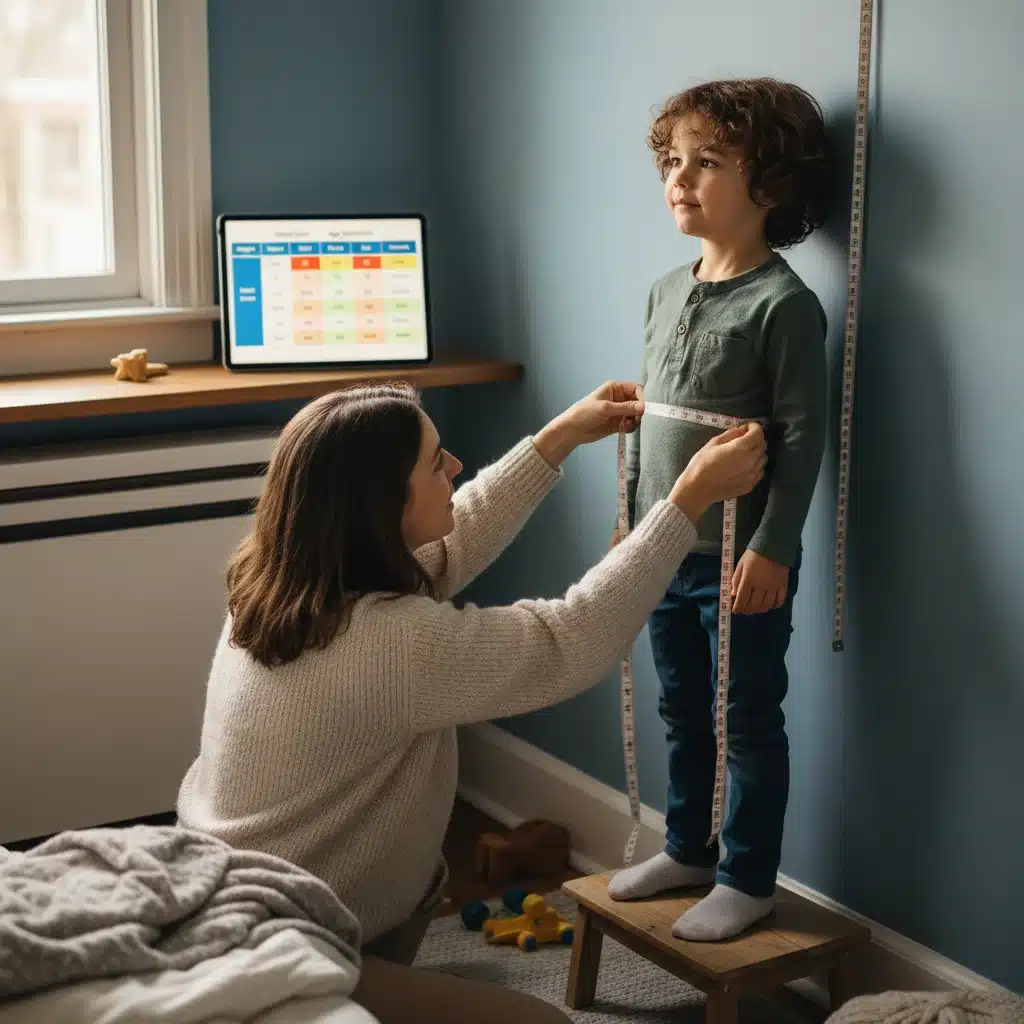
Always measure your child regularly – at least every 3-6 months for younger children and annually for older ones. Keep a small note on your phone or fridge with their current measurements. This simple habit will save you countless returns and headaches.
Anticipating Growth Spurts: The Art of Future-Proofing Your Wardrobe
Growth spurts are unpredictable, but they are an inevitable part of childhood. One day their pants fit perfectly, the next they’re high-waters! Learning to anticipate these sudden bursts of growth is a key strategy in managing children’s clothing sizing. While you can’t predict the exact day, you can observe patterns and make educated guesses.
Common Growth Spurt Periods:
- Infancy (0-12 months): This is the most rapid growth phase. Expect to size up every 2-3 months.
- Toddlerhood (1-3 years): Growth slows slightly but is still significant. You might size up every 4-6 months.
- Preschool (3-5 years): Growth is more steady, but height and weight gains continue.
- School Age (6-12 years): Periods of slower growth punctuated by occasional spurts.
- Pre-teen/Teenage: Another significant growth phase, especially during puberty.
When you’re shopping, especially for items like outerwear or special occasion outfits, it’s often wise to size up, particularly if your child is between sizes or approaching a known growth spurt period. A slightly larger item can always be rolled up or taken in temporarily, whereas a too-small item is unusable. Consider adjustable features like elasticated waistbands, roll-up sleeves, and adjustable straps as your best friends.
The Role of Fabric and Fit in Children’s Clothing Sizing
Beyond the numbers on a label, the fabric composition and intended fit of a garment play a huge role in its wearability and longevity. Stretchy fabrics like cotton blends with elastane or bamboo viscose offer more leeway and comfort, accommodating minor growth without becoming restrictive. Rigid fabrics, like certain denims or heavy canvases, offer less flexibility and require a more precise fit.
Understanding Different Fits:
- Regular Fit: Standard sizing, not too loose, not too tight.
- Slim Fit: Tapered and closer to the body, often requiring precise measurements.
- Relaxed/Loose Fit: More generous cut, offering greater freedom of movement and often a longer wear time.
- Adaptive Fit: Designed with features for children with special needs, such as magnetic closures, flat seams, or sensory-friendly fabrics. This is a growing area in children’s clothing sizing for 2026.
Always consider the activity level of your child. A relaxed fit might be ideal for playtime, while a slim fit might be chosen for a more formal occasion. When in doubt, prioritize comfort and freedom of movement. Children need to be able to run, jump, climb, and explore without their clothes hindering them.
Sustainable Choices in Children’s Clothing Sizing: A 2026 Imperative
In 2026, sustainability is no longer a niche concept but a mainstream expectation, especially for parents concerned about the future their children will inherit. The fast-fashion cycle for kids’ clothes is particularly wasteful given how quickly they outgrow items. Embracing sustainable practices in children’s clothing sizing means making conscious choices that reduce environmental impact and often save money in the long run.
Strategies for Sustainable Children’s Clothing:
- Buy Quality Over Quantity: Invest in well-made garments from reputable brands that use durable fabrics and construction. These items will withstand more washes, more play, and can be passed down or resold.
- Embrace Second-Hand: Thrift stores, consignment shops, online marketplaces (like Facebook Marketplace, Poshmark, Kidizen), and local clothing swaps are goldmines for gently used children’s clothes. This is a fantastic way to get high-quality items at a fraction of the cost and extend their lifecycle.
- Organize Clothing Swaps: Gather with other parents in your community and exchange outgrown clothes. It’s a fun, free, and eco-friendly way to refresh wardrobes.
- Choose Sustainable Materials: Look for organic cotton, bamboo, hemp, Tencel, or recycled polyester. These materials often have a lower environmental footprint and can be gentler on sensitive skin.
- Repair and Repurpose: A small tear can often be mended, a stain can be treated, and outgrown items can be repurposed into cleaning rags, craft supplies, or even new garments.
- Donate or Resell: When items are truly outgrown or no longer needed, ensure they find a second life. Donate to charities, homeless shelters, or resell them to other families.
- Consider Rental Services: A growing trend, especially for special occasion wear or infant clothes, is clothing rental. This reduces individual ownership and maximizes the use of each garment.
By adopting these practices, you’re not just managing your child’s wardrobe; you’re teaching them valuable lessons about responsible consumption and environmental stewardship. It’s a win-win for everyone.
Practical Tips for Navigating Children’s Clothing Sizing
Even with all the knowledge, practical application is key. Here are some actionable tips to make your life easier when it comes to children’s clothing sizing:
Always Check the Brand’s Size Chart
This cannot be stressed enough. A size 4 from Brand A might be significantly different from a size 4 from Brand B. Don’t assume consistency. Online shoppers should especially pay attention to this.
Measure Your Child Regularly
Keep a soft measuring tape handy and take updated measurements every few months. Jot down their height, weight, chest, waist, and inseam. This is your most accurate reference point.
Read Reviews
For online purchases, customer reviews often contain invaluable insights into how a garment truly fits. Look for comments like ‘runs small,’ ‘runs large,’ or ‘perfect fit for tall children.’
Consider Your Child’s Build
Is your child tall and slender? Short and stocky? Somewhere in between? Standard sizing might not always work. Some brands offer ‘slim’ or ‘husky’ options, but often you’ll need to adjust by going up or down a size in length or width, or opting for adjustable features.
Shop with a ‘Grow Into’ Mindset for Certain Items
For items like jackets, coats, and some sleepwear, buying slightly larger can extend their usability. For everyday play clothes, a comfortable, current fit is usually best to avoid tripping or snagging.
Factor in Laundry Shrinkage
Natural fibers like cotton can shrink, especially if tumble-dried on high heat. If you’re buying 100% cotton, consider sizing up if your child is between sizes, or plan to air dry. Always follow care instructions.
Prioritize Comfort and Functionality
No matter the size, if the clothes are itchy, restrictive, or impractical for your child’s activities, they won’t be worn. Children are more sensitive to discomfort than adults. Soft seams, tagless designs, and breathable fabrics are always a good choice.
Keep a ‘Next Size Up’ Box
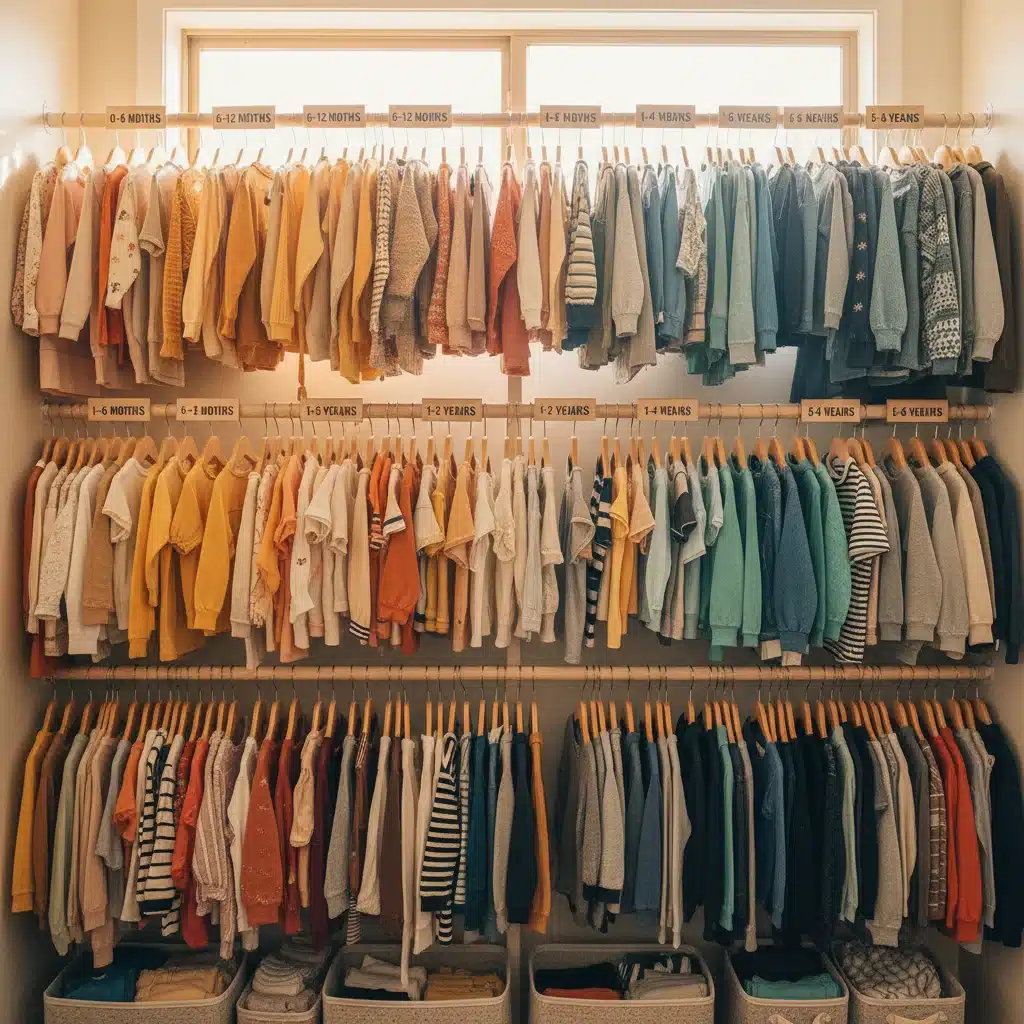
As clothes become too small, instead of immediately discarding them, place them in a designated box. Then, when you acquire new items (whether through purchase or hand-me-downs), wash them and put them in a ‘next size up’ box. This makes seasonal wardrobe changes much smoother.
The Future of Children’s Clothing Sizing: Innovations in 2026 and Beyond
The world of children’s clothing sizing isn’t static. In 2026, we’re seeing exciting innovations that promise to make parents’ lives even easier and fashion more sustainable:
- Smart Sizing Apps: Apps that use AI and augmented reality to scan your child’s body and recommend precise sizes across different brands are becoming more sophisticated.
- Expandable Clothing: Brands are increasingly designing clothes with adjustable features that allow them to ‘grow’ with the child, such as extendable hems, adjustable waistbands, and adaptable sleeves. Think about items that can be worn for 2-3 sizes instead of just one.
- Personalized Sizing Services: Some premium brands are offering custom sizing based on detailed child profiles, moving towards a more bespoke approach.
- Blockchain for Transparency: The supply chain for sustainable clothing is becoming more transparent, allowing parents to trace the origin and ethical production of garments, which indirectly influences sizing by promoting quality and durability.
- Gender-Neutral Sizing: A growing trend towards gender-neutral clothing is also influencing sizing, focusing more on universal body measurements rather than traditional gendered cuts.
These innovations highlight a shift towards more intelligent, adaptable, and responsible consumption, making the process of dressing our children not just a necessity, but an informed and sustainable act.
Conclusion: Mastering Children’s Clothing Sizing for a Happy, Sustainable Wardrobe
Navigating children’s clothing sizing in 2026 requires a blend of knowledge, foresight, and a touch of strategic planning. By understanding size charts, anticipating growth spurts, prioritizing comfort, and embracing sustainable purchasing habits, you can build a functional, comfortable, and eco-friendly wardrobe for your child.
Remember, the goal isn’t just to find clothes that fit today, but to make informed decisions that support your child’s active lifestyle, respect their comfort, and contribute positively to a more sustainable future. With these tips and insights, you’re well-equipped to tackle the ever-changing landscape of children’s fashion with confidence and ease. Happy shopping, and here’s to many perfectly fitting outfits!