Is Your Coupon Valid? A 2026 Checklist to Ensure Every Discount Code Works 95% of the Time.
In the ever-evolving landscape of online shopping and retail therapy, the thrill of finding a fantastic deal is unmatched. That adrenaline rush as you apply a coupon code, anticipating significant savings, only to be met with the dreaded ‘invalid’ or ‘expired’ message, can be incredibly frustrating. We’ve all been there – moments of triumph turning into disappointment. But what if there was a way to minimize these occurrences? What if you could significantly increase your chances of every discount code working, almost every single time?
Anúncios
Welcome to the definitive coupon validity checklist for 2026. This comprehensive guide is designed to empower you, the savvy shopper, with the knowledge and strategies to ensure your coupon codes are valid and ready to deliver those sweet savings. We’re not just talking about a slight improvement; we’re aiming for a 95% success rate. By understanding the nuances of coupon mechanics, common pitfalls, and proactive verification steps, you’ll transform your shopping experience from hit-or-miss to consistently successful.
The digital age has brought an explosion of coupon opportunities, from email subscriptions and social media promotions to affiliate sites and in-app offers. While this abundance is a boon for consumers, it also introduces complexity. Expiration dates, specific terms and conditions, geographical restrictions, and product exclusions can all contribute to a coupon’s failure. Our goal is to demystify these elements and provide you with a clear, actionable roadmap. So, let’s dive deep into how you can make your coupons work for you, every time, in 2026.
Anúncios
Understanding the Anatomy of a Coupon Code: Key Elements for Validity
Before we jump into the checklist, it’s crucial to understand the fundamental components that dictate a coupon’s validity. Think of it as the DNA of your discount. Knowing these elements will equip you with the foundational knowledge to quickly assess any coupon’s potential for success.
1. The Expiration Date: Your Primary Concern
This is arguably the most critical factor. Many coupon failures stem from simply trying to use an expired code. Retailers set expiration dates for various reasons: to create urgency, manage inventory, or align with promotional periods. Always check for a clear expiration date. If one isn’t explicitly stated, proceed with caution, or assume it’s a short-term offer.
- Where to find it: Often prominently displayed on the coupon itself, in the email, on the website banner, or within the terms and conditions.
- Pro Tip for 2026: Many digital coupons now have dynamic expiration counters. Pay attention to these. For physical coupons, consider a ‘coupon wallet’ app that tracks expiration dates.
2. Terms and Conditions (T&Cs): The Fine Print That Matters
Neglecting the T&Cs is a common mistake. These are not just legal jargon; they are the rules of engagement for your discount. They detail exactly how and when a coupon can be used. Ignoring them is like trying to play a game without knowing the rules – you’re bound to lose.
- What to look for: Minimum purchase requirements, specific product exclusions (e.g., ‘excludes sale items,’ ‘excludes electronics’), brand restrictions, new customer only, existing customer only, single-use vs. multiple-use, and geographical limitations.
- Why it’s vital: A coupon might seem perfect, but if it requires a $100 purchase and your cart is only $50, it won’t work. Similarly, if it’s for ‘new customers only’ and you’ve bought from the store before, it’s a no-go.
3. Specificity: Is It for What You’re Buying?
Coupons are rarely universal. They are often tailored to specific categories, products, or even individual items. A coupon for ‘20% off apparel’ won’t work on ‘home goods,’ no matter how much you wish it would.
- Check product eligibility: Ensure the items in your cart fall under the coupon’s eligible categories or specific product list.
- Brand-specific coupons: Many coupons are brand-specific. Don’t try to use a Nike coupon on Adidas products.
4. Source and Authenticity: Where Did You Get It?
The internet is a vast place, and not all coupon sources are created equal. Using codes from dubious websites or unverified social media posts can lead to frustration. Stick to reputable sources.
- Reputable sources: Official brand websites, official email newsletters, trusted coupon aggregator sites (e.g., RetailMeNot, Coupons.com), and reputable affiliate partners.
- Beware of: Random forum posts without verification, suspicious pop-ups, or sites with excessive ads and poor design.
The 2026 Coupon Validity Checklist: Your Step-by-Step Guide to Success
Now that we’ve covered the basics, let’s get to the actionable checklist. Follow these steps diligently, and you’ll significantly boost your coupon success rate in 2026.
Step 1: Verify the Expiration Date (The First Scan)
This should be your immediate check. Don’t even bother with other steps if the coupon is clearly expired.
- Digital Coupons: Look for a countdown timer, a bolded date, or a clear statement like ‘Offer ends MM/DD/YYYY’.
- Physical Coupons: Check the printed date. Many stores won’t accept even a day past expiration.
- No Date? If no expiration date is provided, assume it’s a very short-term offer (e.g., 24-48 hours) or a flash sale. Use it immediately if possible.
Step 2: Read the Fine Print – All of It (Terms & Conditions Deep Dive)
This is where most people falter. Take a few extra moments to thoroughly review the T&Cs. It will save you time and frustration later.
- Minimum Purchase: Is there a ‘spend $X to get Y discount’ requirement? Ensure your cart meets this minimum before taxes and shipping.
- Product/Category Exclusions: Does the coupon apply to all items, or are there specific exclusions? ‘Excludes clearance,’ ‘not valid on electronics,’ ‘only valid on full-priced items’ are common.
- Brand/Store Specificity: Is the coupon for the exact brand or store you’re shopping at? (e.g., a Gap coupon won’t work at Old Navy, even though they’re related).
- New vs. Existing Customers: Some of the best discounts are for first-time buyers. Be honest; if you’re an existing customer, these won’t apply.
- Location/Region Restrictions: Less common for online codes, but some may be valid only in specific countries or states.
- Stacking Restrictions: Can this coupon be combined with other offers or sales? Most retailers only allow one coupon per order.
Step 3: Check for Typographical Errors (The Code Itself)
A simple typo can render a perfectly valid code useless. Double-check your entry.
- Copy-Paste: Always copy and paste digital codes to avoid manual entry errors.
- Case Sensitivity: While less common now, some older systems might be case-sensitive. If copy-pasting doesn’t work, try typing it manually, paying attention to capitalization.
- Extra Spaces: Sometimes, when copying, an extra space at the beginning or end of the code can be included. Delete any leading or trailing spaces.
Step 4: Confirm Your Cart Eligibility (The Item Match)
Before hitting ‘apply,’ quickly scan your shopping cart against the coupon’s requirements.
- Are the Right Items Present? If the coupon is for ‘shoes,’ do you have shoes in your cart?
- Do They Meet Criteria? If it’s ‘20% off full-priced dresses,’ are your dresses full-priced?
- Quantity Requirements: Some coupons require purchasing a certain quantity (e.g., ‘Buy one, get one 50% off’).
Step 5: Test the Coupon Before Finalizing (The Application Test)
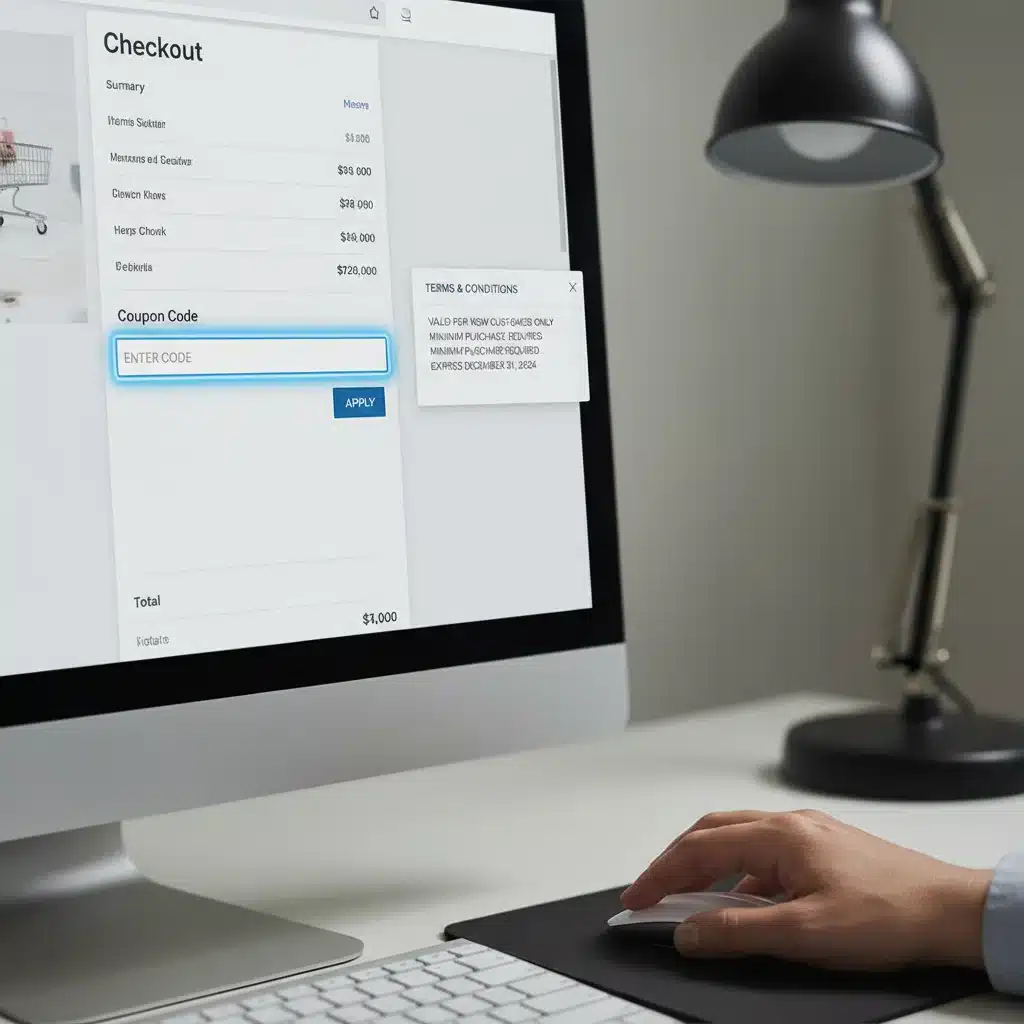
Most online checkout systems allow you to apply a coupon code before you enter payment information. Use this feature.
- Apply and Observe: Enter the code and click ‘apply.’ Does the discount show up? Does it give an error message?
- Error Message Analysis: If you get an error, read it carefully. It often provides clues: ‘Coupon expired,’ ‘minimum purchase not met,’ ‘invalid for items in cart.’ This feedback is invaluable.
Step 6: Check for Usage Limits (Single-Use vs. Multi-Use)
Some codes are designed for one-time use per customer or per account. If you’ve used it before, it won’t work again.
- Personalized Codes: Codes sent directly to your email are often single-use.
- Public Codes: Codes found on coupon sites are generally multi-use, but retailers can still set limits.
Step 7: Browser and Device Compatibility (The Tech Check)
While rare, sometimes browser extensions, ad blockers, or even the device you’re using can interfere with coupon application.
- Try a Different Browser: If a coupon isn’t working, try a different web browser (Chrome, Firefox, Edge, Safari).
- Disable Extensions: Temporarily disable browser extensions, especially ad blockers or coupon finders, to see if they’re causing a conflict.
- Clear Cache/Cookies: A fresh start with your browser can sometimes resolve unforeseen issues.
- Try Mobile vs. Desktop: Occasionally, a coupon might work better on one platform over another due to rendering or script issues.
Advanced Strategies for Coupon Success in 2026
Beyond the basic checklist, these advanced tips will further refine your coupon game, ensuring you’re always ahead of the curve.
1. Cultivate Reputable Coupon Sources
Don’t just grab codes from the first site you see. Build a curated list of reliable sources.
- Direct from Retailers: Sign up for newsletters from your favorite stores. They often send exclusive discounts.
- Official Social Media Channels: Follow brands on platforms like Instagram, Facebook, and X (formerly Twitter) for flash sales and unique codes.
- Trusted Aggregators: Websites like RetailMeNot, Coupons.com, Honey, and Rakuten are generally well-maintained and verify codes.
- Browser Extensions: Tools like Honey automatically find and apply coupons at checkout, often testing multiple codes for you.
2. Understand Coupon Stacking Rules
This is a holy grail for extreme savers. ‘Coupon stacking‘ means applying multiple discounts to a single purchase. However, it’s often restricted.
- Retailer Policy: Most stores have a ‘one coupon per order’ policy. Always check.
- Manufacturer vs. Store Coupons: Sometimes, you can stack a manufacturer’s coupon with a store coupon, especially in grocery shopping. Online, this is less common but worth checking the T&Cs.
- Sales Events: Can a coupon be used on top of a site-wide sale? Often, coupons exclude sale items, but sometimes they apply to the discounted price, leading to deeper savings.
3. Leverage Customer Service When in Doubt
If you’re confident a coupon should work but it’s failing, don’t hesitate to contact customer service.
- Provide Details: Have the coupon code, the items in your cart, and a screenshot of any error messages ready.
- Polite Inquiry: A polite inquiry can sometimes result in the representative manually applying the discount or providing a new, working code.
- Timing: Contacting during off-peak hours might lead to quicker responses.
4. Proactive Coupon Management
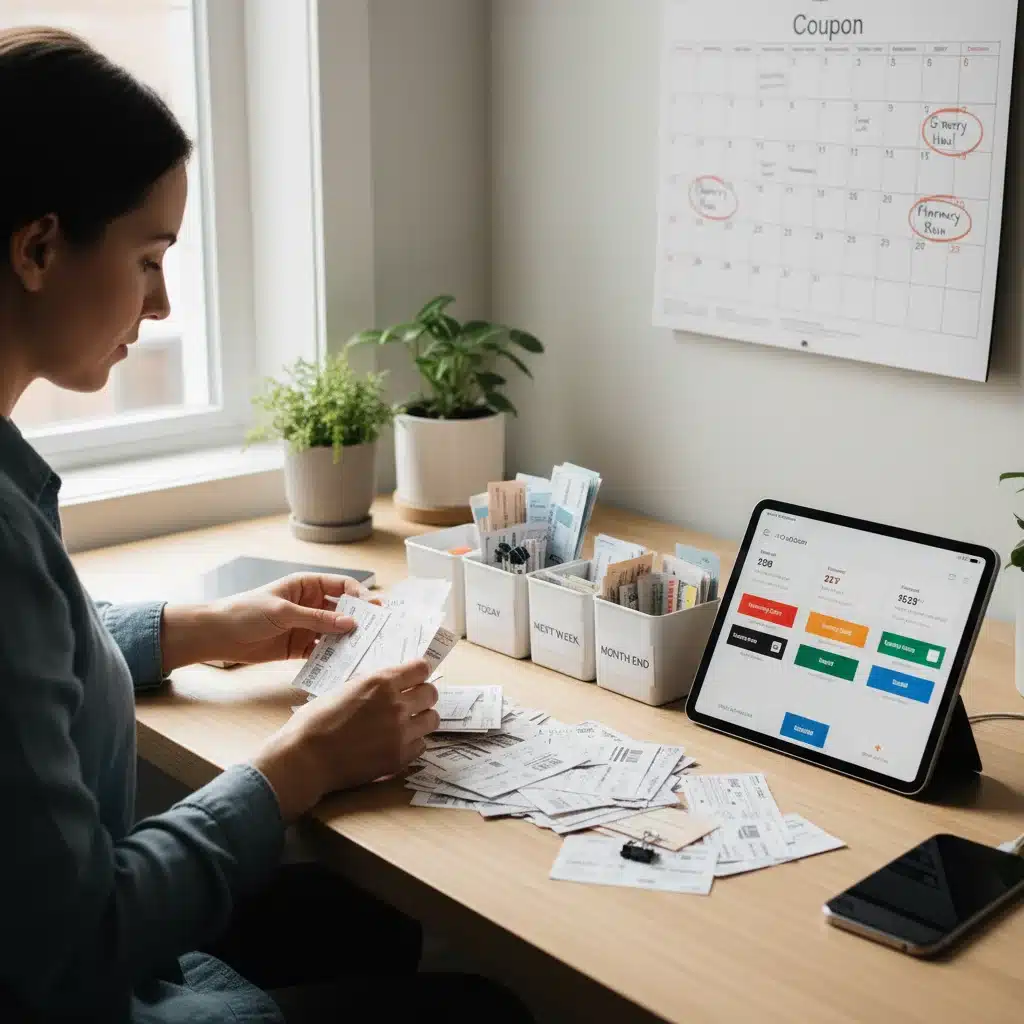
Don’t let good coupons go to waste. Implement a system for managing them.
- Digital Folders: Create a dedicated email folder for coupon emails.
- Spreadsheets/Apps: For serious couponers, a simple spreadsheet or a dedicated coupon app can help track expiration dates and usage.
- Calendar Reminders: Set calendar reminders for high-value coupons nearing their expiration.
5. Be Wary of Coupon Scams and Phishing
The rise of digital coupons also brings the risk of scams. Protect your personal information.
- Too Good to Be True: If a coupon offers an unbelievably high discount for little effort, be skeptical.
- Personal Information Requests: Be cautious of sites asking for excessive personal information (like your social security number or bank details) just to access a coupon.
- Malware/Viruses: Unofficial or suspicious coupon sites can sometimes host malware. Keep your antivirus software updated.
Common Reasons Your Coupon Isn’t Working (and How to Fix Them)
Let’s summarize the most frequent issues and their quick fixes:
- Expired Coupon: Check the date. No fix if truly expired, but sometimes a similar, newer code is available.
- Minimum Purchase Not Met: Add more items to your cart to reach the threshold.
- Exclusions Apply: Remove excluded items from your cart or find a different coupon that applies.
- Typo in Code: Double-check for errors, copy-paste carefully, and remove extra spaces.
- Single-Use Code Already Used: Try a different code or contact customer service if you believe it’s an error.
- New Customer Only: If you’re an existing customer, this coupon won’t work. Look for existing customer loyalty offers.
- Specific Product/Category Not in Cart: Ensure the items you’re buying match the coupon’s requirements.
- Browser Issues: Try a different browser, disable extensions, or clear cache/cookies.
- Geographical Restrictions: Verify the coupon is valid in your region.
- Coupon Stacking Not Allowed: Remove other coupons or sale items that conflict with the current coupon.
The Future of Couponing: What to Expect in 2026 and Beyond
The world of discounts is always evolving. In 2026, we’re seeing continued trends towards personalization, AI-driven recommendations, and seamless integration.
- AI-Powered Personalization: Expect more coupons tailored specifically to your shopping habits and preferences, delivered directly to you. This means higher relevance and a better chance of validity for your specific needs.
- Blockchain for Verified Coupons: While still emerging, blockchain technology could revolutionize coupon validity by creating immutable records of codes, making them harder to counterfeit and easier to verify instantly.
- Augmented Reality (AR) Shopping: Imagine trying on clothes virtually and having an AR overlay show you real-time coupon applicability. This could make in-store and online coupon usage more interactive.
- Subscription Model Discounts: More retailers might offer exclusive, ongoing discounts for subscribers, moving away from one-off codes to continuous savings for loyal customers.
- Seamless Wallet Integration: Digital wallets (Apple Pay, Google Pay, etc.) will likely offer even more seamless integration of coupons, automatically applying valid discounts at checkout without manual entry.
These advancements promise to make coupon hunting even more efficient, but the core principles of checking your coupon validity checklist will remain essential. Technology will assist, but your understanding of the rules will ensure you harness its full potential.
Conclusion: Master Your Savings with the 2026 Coupon Validity Checklist
Navigating the world of coupons doesn’t have to be a gamble. With this 2026 coupon validity checklist, you’re now equipped with the knowledge and strategies to significantly improve your success rate. From diligently checking expiration dates and reading the fine print to understanding product exclusions and leveraging customer service, every step contributes to a smoother, more rewarding shopping experience.
Remember, the goal isn’t just to find a coupon; it’s to ensure it works when you need it most. By being proactive, informed, and strategic, you can turn the frustration of ‘invalid code’ into the satisfaction of consistent savings. So, go forth, shop smarter, and let your coupons deliver the discounts you deserve, 95% of the time, in 2026 and beyond!
Happy saving!