Revolutionizing Shoe Fit: The Future of Footwear Sizing with 3D Scanning in 2026

Anúncios
In an era defined by technological leaps and personalized experiences, the footwear industry is undergoing a profound transformation. Gone are the days of relying solely on generic shoe sizes; the future of foot comfort and fit is here, and it’s powered by advanced 3D Footwear Sizing technology. As we look towards 2026, the integration of 3D scanning into the shoe-buying process is not just a trend but a fundamental shift, promising unprecedented accuracy, unparalleled comfort, and a truly bespoke experience for every consumer.
For decades, the standard shoe sizing system has been a source of frustration for many. Variations between brands, half-sizes, and the sheer diversity of human foot shapes often lead to uncomfortable shoes, foot pain, and ultimately, dissatisfaction. The traditional Brannock Device, while a staple, offers only a two-dimensional measurement, failing to capture the complex contours and volumetric data crucial for a truly perfect fit. This is where 3D Footwear Sizing steps in, offering a revolutionary solution that addresses these long-standing issues head-on.
Anúncios
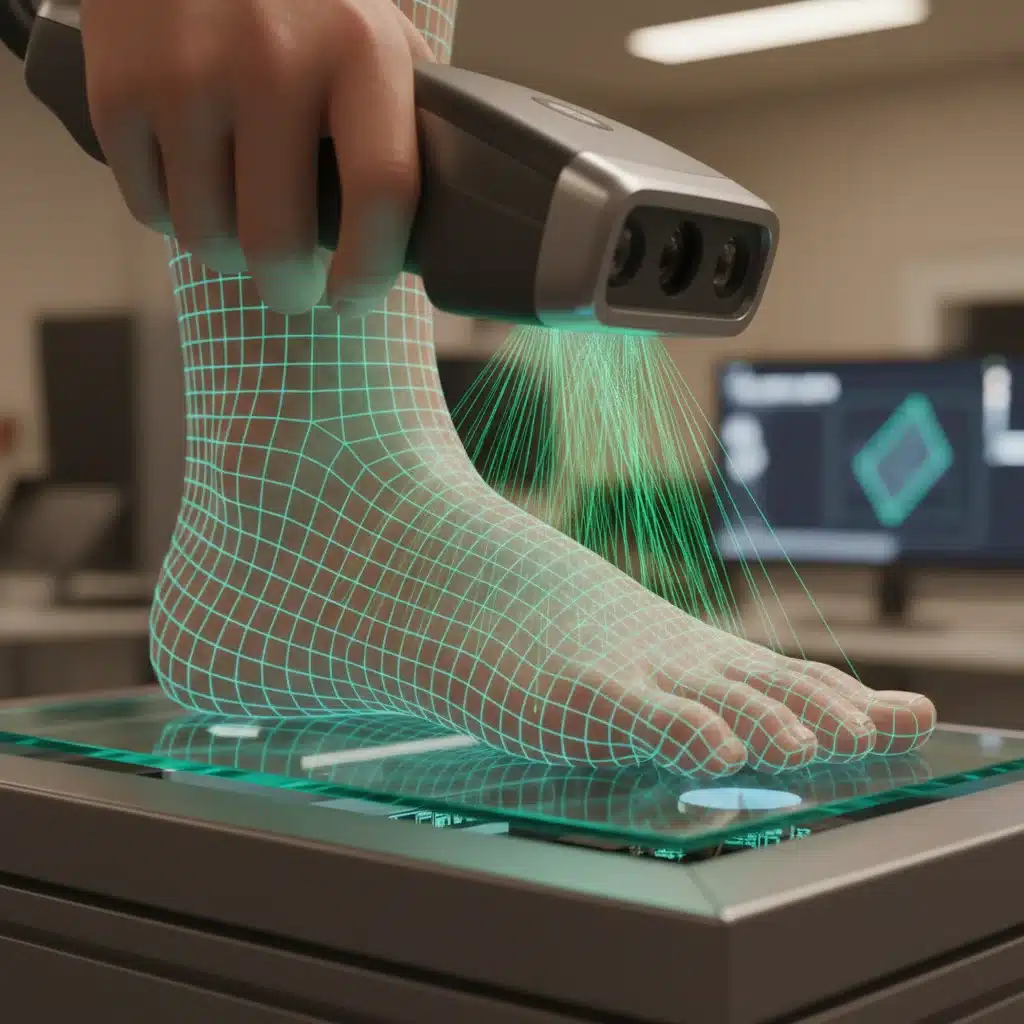
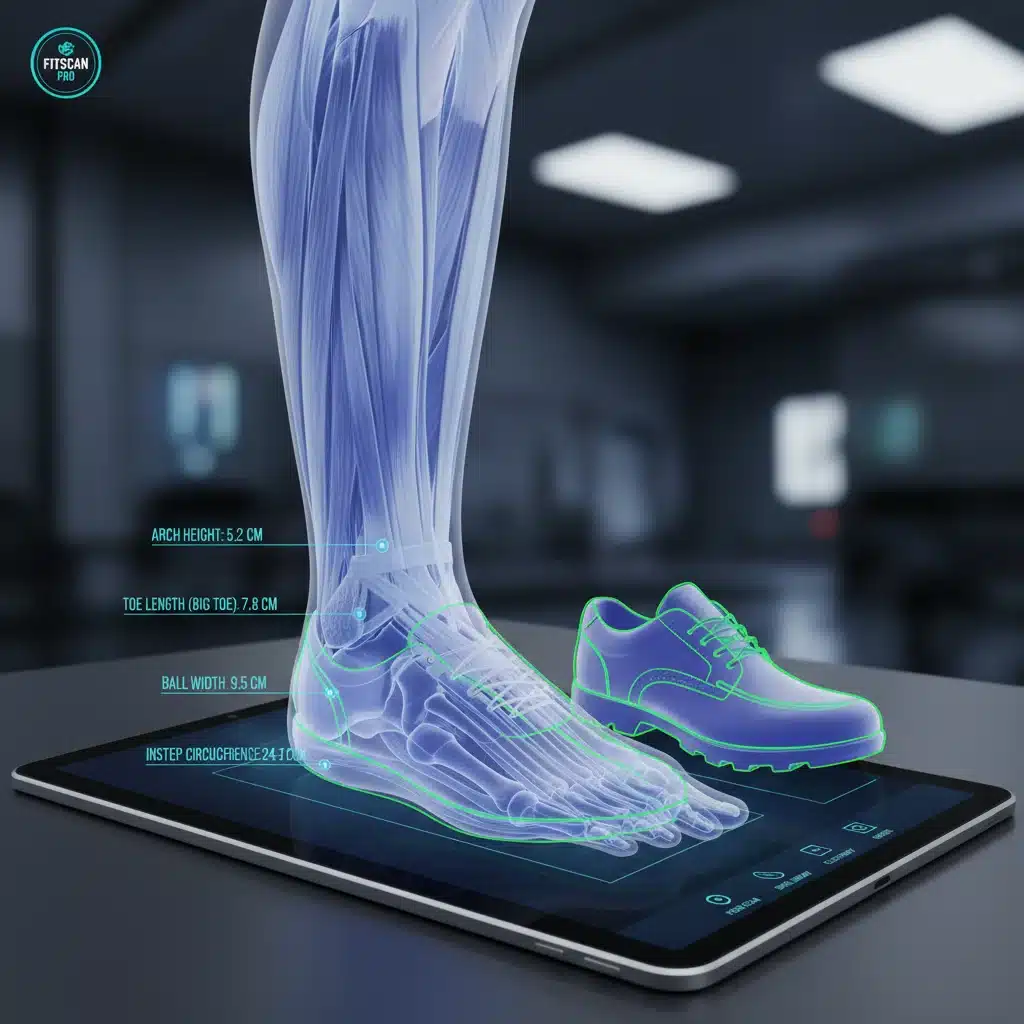
Imagine walking into a store, having your feet scanned in a matter of seconds, and receiving a precise, three-dimensional model of your feet, complete with detailed measurements of arch height, instep circumference, toe length, and pressure points. This isn’t science fiction; it’s the present and future of shoe shopping. By leveraging sophisticated 3D scanning technology, retailers and manufacturers are now able to provide consumers with data-driven recommendations that go far beyond traditional sizing charts, ensuring a fit that feels tailor-made.
This comprehensive guide will delve into the intricacies of how 3D Footwear Sizing is revolutionizing the industry, exploring the technology behind it, its myriad benefits for both consumers and businesses, the challenges it faces, and what the landscape of shoe buying will look like in 2026 and beyond. Prepare to step into a world where every shoe fits perfectly.
Anúncios
The Evolution of Footwear Sizing: From Brannock to Biometric
To truly appreciate the impact of 3D Footwear Sizing, it’s essential to understand the journey of shoe measurement. For nearly a century, the Brannock Device has been the industry standard. Invented in 1927, it measures foot length and arch length, providing a basic guide. While revolutionary for its time, its limitations are evident in today’s diverse market. It doesn’t account for foot volume, width variations beyond a few standard options, or the nuanced differences in foot shape that significantly impact comfort.
The rise of e-commerce further exposed these limitations. Without the ability to try shoes on, online shoppers often faced the dilemma of ordering multiple sizes or returning ill-fitting purchases. This led to a higher return rate, increased costs for retailers, and a frustrating experience for consumers. The need for a more accurate, standardized, and universally applicable sizing method became paramount.
Enter 3D scanning technology. Originally developed for industrial design, medical imaging, and engineering, its application to footwear was a natural progression. Early attempts were cumbersome and expensive, but rapid advancements in sensor technology, processing power, and artificial intelligence have made 3D Footwear Sizing accessible, fast, and highly accurate. These modern scanners use a combination of lasers, cameras, and infrared light to capture thousands of data points on the foot’s surface, creating a precise digital replica in mere seconds.
This biometric approach to sizing moves beyond simple length and width. It considers the entire foot as a three-dimensional object, capturing its unique contours, volume distribution, and pressure points. This wealth of data allows for an unprecedented level of personalization, laying the groundwork for a future where every shoe is, in essence, custom-fitted.
How 3D Footwear Sizing Technology Works
At its core, 3D Footwear Sizing relies on sophisticated imaging and data processing. When a person steps onto a 3D foot scanner, several technologies work in concert:
- Laser or Structured Light Scanners: These devices project patterns (lasers or light grids) onto the foot. Cameras then capture how these patterns are distorted by the foot’s surface. By analyzing these distortions, the system can calculate the precise three-dimensional shape of the foot.
- Infrared Sensors: Some scanners use infrared technology to create a depth map of the foot, providing additional data points for accuracy, especially in varying lighting conditions.
- Pressure Sensors: Integrated pressure plates often accompany the 3D scanner, measuring how weight is distributed across the sole of the foot. This is crucial for understanding gait, arch support needs, and identifying potential problem areas where pressure might be excessive.
- Software and Algorithms: The raw data from the sensors is fed into powerful software. Advanced algorithms then process this data to construct a highly accurate 3D model of the foot. This software can extract dozens of precise measurements, such as foot length, ball width, instep height, arch height, heel width, and even toe girth.
- AI and Machine Learning: The most advanced systems incorporate AI and machine learning. These technologies analyze vast datasets of foot scans and corresponding shoe fit outcomes. Over time, the AI learns to predict the optimal shoe size and style for a given foot shape, even across different brands and shoe types, making recommendations incredibly precise.
The result is a comprehensive digital profile of an individual’s feet, far beyond what traditional methods could ever achieve. This profile can then be used to recommend specific shoe models, sizes, and even custom orthotics, ensuring a truly personalized and comfortable experience. This level of detail is transforming the way shoes are designed, manufactured, and sold, making 3D Footwear Sizing an indispensable tool for the modern footwear industry.
Benefits for Consumers: A Perfect Fit, Every Time
The most immediate and impactful beneficiaries of 3D Footwear Sizing are, of course, the consumers. The technology addresses many of the long-standing frustrations associated with shoe shopping, ushering in an era of unprecedented comfort and satisfaction.
Enhanced Comfort and Reduced Pain
Ill-fitting shoes are a leading cause of foot pain, blisters, bunions, hammertoes, and even back problems. By providing a precise fit that accounts for every curve and contour of the foot, 3D scanning significantly reduces these issues. Consumers can finally experience shoes that feel like they were made just for them, leading to greater comfort throughout the day, whether they’re walking, running, or standing.
Personalized Recommendations
Beyond just size, 3D Footwear Sizing systems can recommend specific shoe styles, brands, and even insoles that are best suited for an individual’s unique foot biomechanics. For example, someone with a high arch might be recommended shoes with superior arch support, while someone with a wider forefoot would be directed to styles known for a more generous toe box. This takes the guesswork out of shoe shopping and empowers consumers to make informed decisions.
Streamlined Shopping Experience
Imagine never having to try on dozens of shoes again. With a 3D foot scan, consumers can receive instant, accurate recommendations, significantly speeding up the shopping process. This is particularly beneficial in busy retail environments or for online shopping, where a digital foot profile can be saved and used for future purchases, reducing the need for returns.
Improved Performance for Athletes
For athletes, a precise fit is not just about comfort; it’s about performance and injury prevention. 3D Footwear Sizing can identify subtle imbalances or specific needs, leading to athletic shoes that enhance stability, optimize energy transfer, and reduce the risk of common sports-related foot injuries. Runners, basketball players, and hikers can all benefit from this level of precision.
Accessibility and Inclusivity
The technology also holds promise for individuals with unique foot conditions, deformities, or those who simply fall outside standard sizing conventions. 3D scanning can provide the detailed information needed to create custom footwear or orthotics, making comfortable and supportive shoes accessible to a wider population. This move towards inclusivity is a significant step forward for the industry.
Benefits for Businesses: Driving Efficiency and Customer Loyalty
The advantages of 3D Footwear Sizing extend far beyond the consumer, offering substantial benefits for retailers, manufacturers, and the broader footwear industry.
Reduced Returns and Enhanced Profitability
One of the biggest headaches for both brick-and-mortar and online retailers is the high rate of returns due to poor fit. By ensuring a more accurate initial purchase, 3D scanning can drastically reduce return rates, saving businesses significant costs associated with shipping, restocking, and processing. This directly impacts the bottom line and improves operational efficiency.
Improved Customer Satisfaction and Loyalty
A perfect fit leads to happy customers. When consumers consistently find shoes that are comfortable and supportive, they are more likely to return to that retailer or brand. 3D Footwear Sizing creates a superior customer experience, fostering loyalty and positive word-of-mouth recommendations, which are invaluable in a competitive market.
Data-Driven Inventory Management and Product Development
The aggregated data from millions of foot scans provides invaluable insights into population-wide foot shapes and sizing trends. This data can inform inventory decisions, helping retailers stock the right sizes and widths for their specific demographics. For manufacturers, this information is a goldmine for product development, enabling them to design shoes that better accommodate real-world foot shapes, leading to more successful product launches.
Competitive Advantage and Innovation
Retailers and brands that adopt 3D Footwear Sizing position themselves as innovators and leaders in the market. Offering this advanced technology creates a unique selling proposition, attracting tech-savvy consumers and those seeking a superior shopping experience. It demonstrates a commitment to customer well-being and cutting-edge solutions.
Personalized Marketing and Upselling Opportunities
With detailed foot data, businesses can offer highly personalized marketing campaigns, recommending specific products or accessories (like custom insoles or specialized socks) that perfectly match a customer’s needs. This tailored approach can lead to increased sales and a higher average transaction value.
The Footwear Landscape in 2026: A Vision for the Future
By 2026, 3D Footwear Sizing is expected to be a standard feature in most reputable shoe stores and an integral part of the online shopping experience. Here’s what we can anticipate:
Ubiquitous In-Store Scanners
Just as fitting rooms are standard today, 3D foot scanners will be a common sight in footwear retail. Shoppers will be encouraged to get their feet scanned regularly, as foot shape can change over time. This will provide an updated, accurate profile for every purchase.
Integrated Online Experiences
For online shopping, consumers will be able to upload their saved 3D foot profiles. E-commerce platforms will then use advanced algorithms to match these profiles with detailed 3D models of shoes, providing a ‘virtual try-on’ experience and highly accurate size recommendations across different brands. Some home-based scanning solutions, using smartphone cameras, are also expected to become more sophisticated and reliable.
Mass Customization and Bespoke Footwear
The data from 3D Footwear Sizing will fuel the growth of mass customization. Consumers might be able to select a base shoe design and then have it subtly adjusted to perfectly match their foot’s dimensions. For those seeking ultimate luxury and fit, bespoke footwear services will leverage 3D scans to create truly custom-made shoes, a process that was once prohibitively expensive and time-consuming.
Health and Wellness Integration
Foot scanners will likely integrate with health and wellness platforms. The data could be used by podiatrists, physical therapists, and personal trainers to recommend footwear that supports overall foot health, addresses biomechanical issues, and aids in injury recovery or prevention. This holistic approach will elevate the role of footwear beyond just fashion.
Sustainable Practices
By reducing returns and enabling more efficient manufacturing processes (less overproduction of unpopular sizes), 3D Footwear Sizing can contribute to more sustainable practices within the industry. Fewer returns mean less transportation, less packaging waste, and a smaller carbon footprint.
Challenges and Considerations
While the future of 3D Footwear Sizing is bright, several challenges and considerations need to be addressed for its widespread adoption and success:
Cost of Implementation
The initial investment in 3D scanning technology can be significant for retailers and manufacturers. As the technology matures and becomes more widespread, costs are expected to decrease, making it more accessible for smaller businesses.
Data Privacy and Security
Collecting detailed biometric data like foot scans raises important questions about data privacy and security. Companies must ensure robust protocols are in place to protect this sensitive information and communicate transparently with consumers about how their data is used and stored.
Standardization Across Brands
For 3D Footwear Sizing to reach its full potential, there needs to be a greater degree of standardization in how foot data is interpreted and how shoe last shapes are mapped to these measurements across different brands. Industry-wide collaboration will be crucial to create a truly universal sizing system based on 3D data.
Consumer Education and Adoption
Educating consumers about the benefits of 3D scanning and encouraging them to adopt this new method will be key. Many are accustomed to traditional sizing and may be hesitant to change. Clear communication about the advantages of a precise fit will be essential.
Integration with Existing Systems
For retailers and manufacturers, seamlessly integrating 3D scanning data with existing inventory management, CRM, and e-commerce platforms will require significant technical effort and investment.
The Road Ahead: Innovation in Footwear
The journey of 3D Footwear Sizing is an exciting one, promising to redefine our relationship with shoes. As technology continues to advance, we can expect even more sophisticated scanners, AI algorithms that provide deeper insights into foot biomechanics, and greater integration with smart devices and wearable technology.
Imagine a future where your fitness tracker monitors your gait and recommends shoe adjustments based on your activity levels, or where your 3D foot profile can be instantly shared with a podiatrist for a virtual consultation. The possibilities are vast and exciting.
The footwear industry is on the cusp of a revolution, moving from a one-size-fits-most approach to a truly personalized experience. By embracing 3D Footwear Sizing, businesses are not only improving customer satisfaction and efficiency but also contributing to a healthier, more comfortable future for feet worldwide. In 2026, the perfect fit won’t be a luxury; it will be the standard, thanks to the power of 3D scanning.
So, the next time you’re in the market for new shoes, look for the 3D scanner. It’s not just a gadget; it’s your gateway to unprecedented comfort and a testament to how technology is making our lives (and our feet) better, one perfectly fitted step at a time.