The Hidden Cost of Bad Fit: Save $200 Annually on Clothes
Anúncios
In the world of fashion and consumerism, we often focus on trends, brands, and price tags. However, there’s a silent, insidious drain on our finances that many overlook: ill-fitting clothes. It might seem trivial, but the cumulative cost of purchasing items that don’t quite fit, only to have them sit unworn in your closet or be discarded, can amount to a significant sum. This article will delve into the often-underestimated financial impact of improper sizing and provide actionable strategies to help you master your clothing fit savings, potentially saving you upwards of $200 annually. Beyond the monetary aspect, we’ll explore how a focus on fit contributes to a more sustainable wardrobe and enhances your personal style and confidence.
Anúncios
The Astounding Cost of Ill-Fitting Apparel
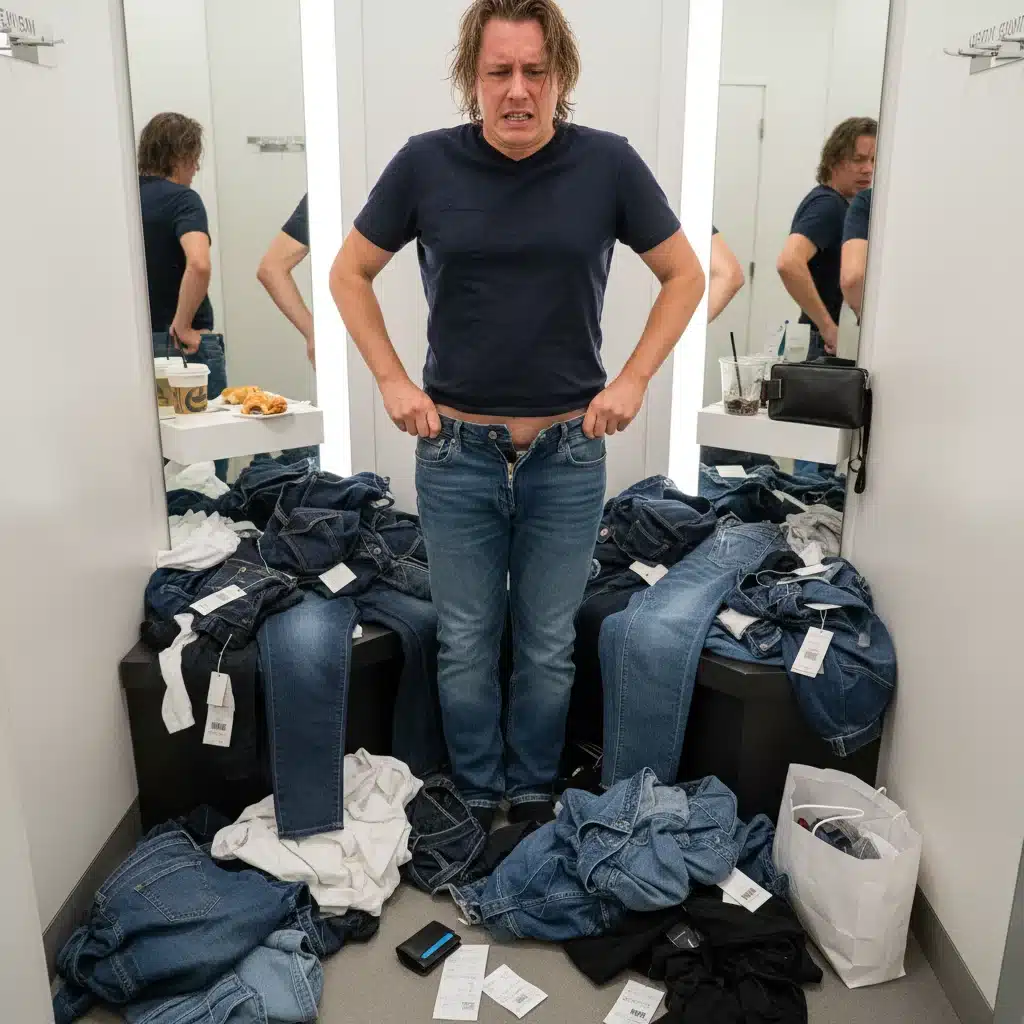
Think about your own wardrobe. How many items do you own that don’t quite fit? Perhaps a shirt that’s too tight across the shoulders, pants that are too long, or a dress that just doesn’t hang right. For many, these items are purchased with good intentions – a sale, a spontaneous buy, or a hopeful “maybe it’ll fit better later” mentality. The reality is, these garments often end up in the back of the closet, unworn and unloved, representing a direct loss of your hard-earned money.
A recent study by Statista indicated that the average American spends over $1,800 on clothing annually. If even 10-15% of these purchases are items that don’t fit well and are rarely worn, you’re looking at a potential waste of $180 to $270 each year. This isn’t just a hypothetical figure; it’s a tangible amount that could be saved or redirected to more meaningful expenditures. This highlights the importance of focusing on clothing fit savings.
Beyond the Initial Purchase Price
The financial impact extends beyond the initial purchase. Consider these additional costs:
Anúncios
- Alterations: While sometimes necessary and worthwhile, frequent alterations add to the overall cost of a garment. If you’re constantly altering new purchases, it’s a sign that you’re not buying the right size or fit to begin with.
- Storage and Clutter: Ill-fitting clothes take up valuable space in your closet, contributing to clutter and making it harder to find the items you actually wear and love. This can lead to a feeling of needing more storage or even purchasing storage solutions.
- Emotional Cost: The frustration of trying on clothes that don’t fit, or the guilt of unworn items, can have a subtle but real emotional toll. This isn’t a direct financial cost, but it impacts your overall well-being.
- Impulse Buys to Compensate: When you have a closet full of clothes that don’t fit, you might feel like you “have nothing to wear,” leading to more impulse buys in an attempt to find something that works. This perpetuates the cycle of wasted spending and makes clothing fit savings even more critical.
Understanding Your Body: The Foundation of Perfect Fit
The first and most crucial step towards achieving clothing fit savings is to truly understand your own body. This goes beyond just knowing your size; it involves understanding your measurements, proportions, and what styles flatter your unique shape. Sizes vary wildly between brands, and even within the same brand over time. Relying solely on a numerical size is a recipe for disappointment and wasted money.
Take Your Measurements Regularly
Invest in a soft measuring tape and take your key measurements: bust, waist, hips, inseam, and arm length. Do this regularly, as bodies change over time. Keep these measurements handy, perhaps in a note on your phone, for when you’re shopping online or in-store. This simple act is a powerful tool for ensuring you buy items that truly fit, maximizing your clothing fit savings.
Know Your Proportions
Are you long-torsoed or short-torsoed? Do you have broader shoulders or wider hips? Understanding your proportions helps you choose styles that balance your figure. For example, if you have a shorter torso, high-waisted pants might elongate your legs but shorten your upper body, while mid-rise options might be more flattering.
Embrace Different Sizing Systems
Be aware that sizing isn’t universal. European, American, and Asian sizing systems differ significantly. Always check size charts, especially when shopping internationally or from new brands. Many online retailers provide detailed size guides with specific garment measurements, which are far more reliable than a generic size number. This diligence is key to achieving significant clothing fit savings.
Smart Shopping Strategies for Optimal Fit and Savings
Once you understand your body, the next step is to apply that knowledge to your shopping habits. This proactive approach will dramatically reduce the number of ill-fitting items you bring home.
1. Read Reviews and Size Charts Diligently
When shopping online, never skip the reviews section. Many customers share valuable insights about how a garment fits – if it runs small or large, if it’s true to size, or if it has a particular cut. Pay close attention to comments about fit for people with similar body types to yours. Always cross-reference with the brand’s specific size chart, comparing it to your own measurements. This is a crucial step for maximizing clothing fit savings.
2. Understand Fabric Composition
Fabric plays a huge role in how a garment fits and feels. Stretchy fabrics like spandex blends offer more leeway, while rigid fabrics like 100% cotton denim require a more precise fit. Natural fibers like linen and cotton can sometimes shrink, while synthetics might hold their shape differently after washing. Knowing how different fabrics behave will help you make more informed sizing decisions.
3. The Power of the Changing Room
Never underestimate the importance of trying things on before buying, especially in a physical store. Don’t just stand in front of the mirror; move around, sit down, raise your arms. Does it pinch? Does it gape? Is it comfortable? Bring items in multiple sizes if you’re unsure. This seemingly simple act is one of the most effective ways to prevent bringing home items that don’t fit, thereby securing your clothing fit savings.
4. Prioritize Comfort Over Trends
A garment that is uncomfortable, no matter how stylish, will rarely be worn. True style comes from confidence, and confidence comes from feeling good in what you’re wearing. If an item restricts your movement or feels scratchy, it’s not worth the purchase, regardless of its perceived trendiness. Comfort is a key indicator of good fit.
5. Embrace the Art of Alterations (Wisely)
While the goal is to buy well-fitting clothes from the start, some alterations are unavoidable and can transform a good garment into a perfect one. Hemming pants, taking in a waist, or adjusting sleeve length can make a significant difference. However, be strategic. Only alter items that are high quality, that you truly love, and that are a good starting point for alterations. Don’t buy something two sizes too big with the intention of completely reshaping it; the cost will quickly outweigh the benefit. 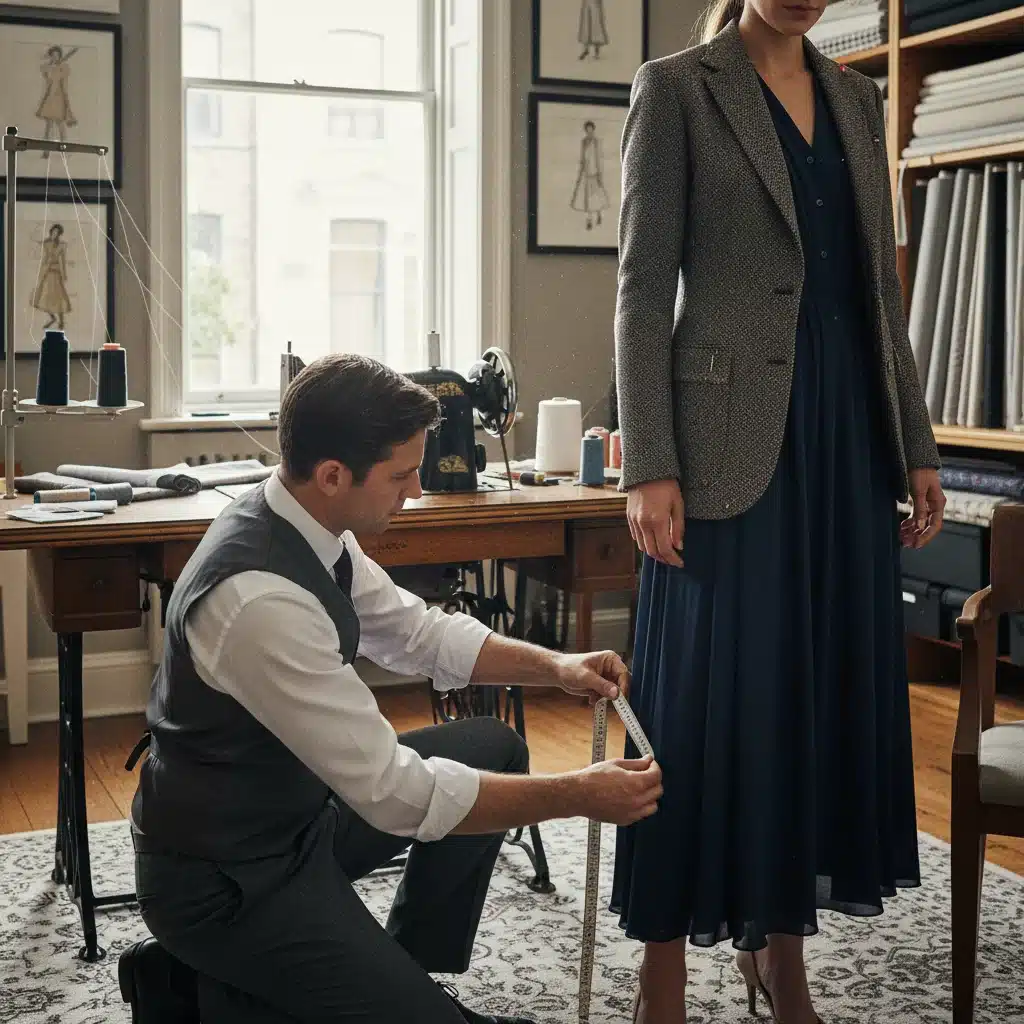 This selective approach to alterations contributes positively to your clothing fit savings.
The Long-Term Benefits: Beyond Just Money
Focusing on clothing fit savings yields benefits that extend far beyond your bank account. It’s an investment in your personal style, your confidence, and the planet.
Enhanced Personal Style and Confidence
Clothes that fit well instantly elevate your appearance. They make you look more put-together, polished, and professional. When you feel good in your clothes, it boosts your confidence, allowing you to carry yourself with greater poise and self-assurance. This positive feedback loop encourages you to make more thoughtful purchases in the future.
A More Sustainable Wardrobe
One of the most significant non-financial benefits of prioritizing fit is its contribution to sustainability. When you buy clothes that fit perfectly and that you love, you’re more likely to wear them frequently and for a longer duration. This reduces the demand for new clothing, decreases textile waste, and combats the fast fashion cycle. A well-curated wardrobe of quality, well-fitting pieces is inherently more sustainable than a closet overflowing with unworn, ill-fitting items. This aligns perfectly with the goal of maximizing your clothing fit savings while also being environmentally conscious.
Reduced Decision Fatigue
Imagine opening your closet and knowing that every single item fits you well and makes you feel good. This eliminates the daily struggle of trying on multiple outfits, only to be disappointed. A well-fitting wardrobe simplifies your morning routine, reduces decision fatigue, and frees up mental energy for more important tasks.
Practical Tips for Sustained Clothing Fit Savings
To truly embed these practices into your shopping habits and maintain your clothing fit savings, consider these ongoing strategies:
1. Create a “Fit Profile” for Brands You Love
Once you find a brand that consistently fits you well, make a note of your size in that specific brand. Keep a running list of brands that work for you and those that don’t. This saves time and reduces guesswork for future purchases. For example, you might note: “Brand X – always a size M in tops, but size L in pants.”
2. Shop with a Purpose
Avoid aimless browsing. Before you shop, identify specific gaps in your wardrobe. Do you need a new pair of work trousers? A versatile, well-fitting blazer? Having a clear purpose helps you stay focused and less susceptible to impulse buys that might not fit. 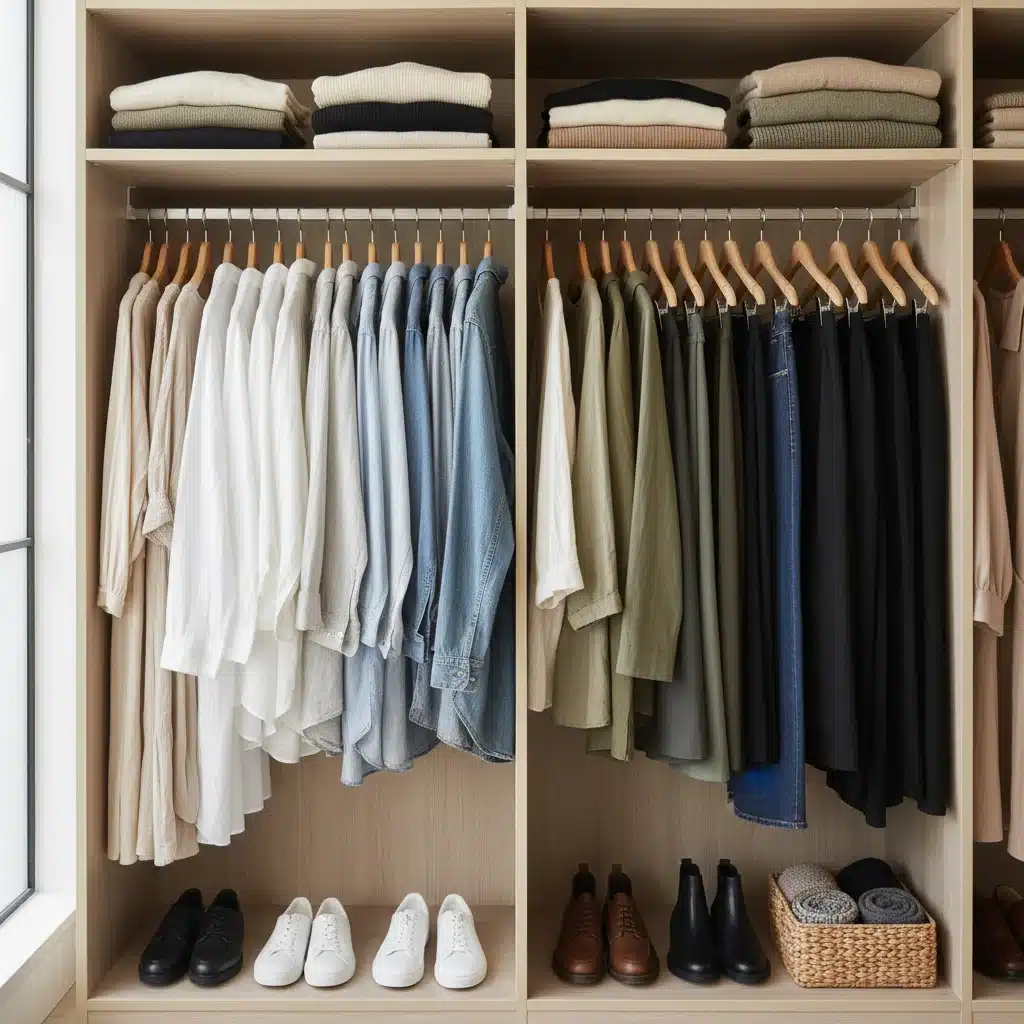 This intentional approach is fundamental to achieving significant clothing fit savings.
3. Understand Your Personal Style
Knowing your personal style helps you choose clothes that not only fit your body but also fit your aesthetic. When an item aligns with your style, you’re more likely to wear it and feel good in it, making it a valuable addition to your wardrobe rather than a wasted purchase.
4. Utilize Online Fit Guides and Virtual Try-Ons
Many online retailers are implementing advanced fit technologies, including virtual try-on tools and AI-powered size recommendations based on your measurements and preferences. Take advantage of these features; they are designed to help you find the right fit and minimize returns, thereby contributing to your clothing fit savings.
5. Don’t Be Afraid to Return
If an item doesn’t fit when you try it on at home, return it promptly. Don’t let it sit in your closet, hoping it will magically fit someday. Most retailers have generous return policies, and utilizing them ensures that your money isn’t tied up in unworn garments. This is a critical final step in securing your clothing fit savings.
Case Study: Sarah’s Wardrobe Transformation
Sarah, a 32-year-old marketing professional, used to spend an average of $2,000 annually on clothes. She admitted that about 20% of her purchases were unworn due to poor fit, amounting to $400 wasted each year. Frustrated with her cluttered closet and feeling like she had “nothing to wear,” she decided to make a change.
Sarah started by taking her measurements and researching her body type. She discovered that while she often bought a size M, her actual measurements sometimes put her between sizes, or required specific cuts. She began meticulously checking size charts and reading reviews. For in-store purchases, she committed to trying on every item and moving around in it.
Over the next year, Sarah reduced her clothing spending to $1,500. More importantly, nearly 95% of her purchases were items she loved and wore regularly. She invested in a few key alterations for beloved pieces, which cost her an additional $100. Her total annual expenditure on worn clothing was $1,500 + $100 = $1,600. Compared to her previous effective spending of $1,600 (80% of $2,000), she saved $400. However, the real clothing fit savings came from the fact that she was no longer buying items that sat unworn. Her effective waste went from $400 to virtually zero, and she ended up with a more functional, stylish, and sustainable wardrobe, all while saving money.
Conclusion: Invest in Fit, Save Your Wallet
The financial impact of ill-fitting clothes is a silent budget drain that many of us overlook. By understanding your body, adopting smart shopping strategies, and prioritizing fit, you can unlock significant clothing fit savings, potentially hundreds of dollars annually. Beyond the monetary benefits, a focus on fit leads to a more confident personal style, a more sustainable wardrobe, and a greater sense of satisfaction with your clothing choices. It’s an investment in yourself and your finances that pays dividends in comfort, confidence, and cash. Start today by measuring yourself and making conscious choices, and watch your wardrobe transform from a source of frustration to a well-curated collection of beloved, perfectly fitting garments.


