
Coupon Fraud Prevention: Protecting Your Discounts and Avoiding Scams in 2026
In the digital age, coupons have evolved from simple paper cutouts to sophisticated digital codes, offering consumers incredible savings and businesses powerful marketing tools. However, this evolution has also opened the door to a growing threat: coupon fraud. As we navigate 2026, understanding and implementing robust coupon fraud prevention strategies is more critical than ever. This comprehensive guide will equip both consumers and businesses with the knowledge and tools to safeguard their interests against the ever-evolving tactics of fraudsters.
Anúncios
The allure of a great deal can sometimes blind us to the red flags of a scam. From counterfeit coupons circulating online to elaborate schemes designed to exploit loyalty programs, coupon fraud costs retailers billions annually and can compromise consumer data. By staying informed and proactive, we can collectively build a stronger defense against these illicit activities. Let’s dive into the world of coupon fraud prevention and learn how to protect our hard-earned discounts and maintain a secure shopping environment.
The Rising Tide of Coupon Fraud in 2026
The landscape of coupon fraud is constantly shifting, driven by technological advancements and the increasing sophistication of cybercriminals. In 2026, we’re seeing new trends emerge that demand updated coupon fraud prevention tactics. What was once primarily a physical counterfeit problem has now largely migrated to the digital realm, presenting unique challenges.
Anúncios
Digital Coupon Exploitation
The convenience of digital coupons is undeniable, but it also makes them a prime target for fraudsters. Schemes include:
- Code Generators: Malicious software that attempts to generate valid coupon codes through brute force or by exploiting predictable patterns.
- Phishing Scams: Fake websites or emails designed to mimic legitimate retailers, tricking users into revealing personal information or downloading malware under the guise of an exclusive coupon.
- Resale of Single-Use Codes: Fraudsters obtaining unique, single-use coupon codes (often through illicit means or by exploiting glitches) and reselling them on third-party platforms.
- Exploitation of Glitches: Identifying and exploiting bugs in a retailer’s coupon redemption system to apply discounts multiple times or to invalid products.
Physical Coupon Counterfeiting
While less prevalent than digital fraud, physical coupon counterfeiting still persists. Sophisticated printing technologies allow fraudsters to create highly convincing fake coupons that can be difficult for store associates to detect without proper training and verification tools. These often target high-value items or offer unrealistic discounts to entice unsuspecting users.
Loyalty Program Abuse
Beyond direct coupon fraud, the abuse of loyalty programs often goes hand-in-hand. This can involve creating multiple fake accounts to accumulate rewards, exploiting referral bonuses, or even hacking into legitimate accounts to redeem points or coupons. Effective coupon fraud prevention must also consider these adjacent vulnerabilities.
For Consumers: How to Spot and Avoid Coupon Scams
As consumers, we are often the first line of defense against coupon fraud. Being vigilant and informed is key to protecting our savings and personal data. Here are essential tips for robust coupon fraud prevention:
1. Scrutinize Unbelievable Deals
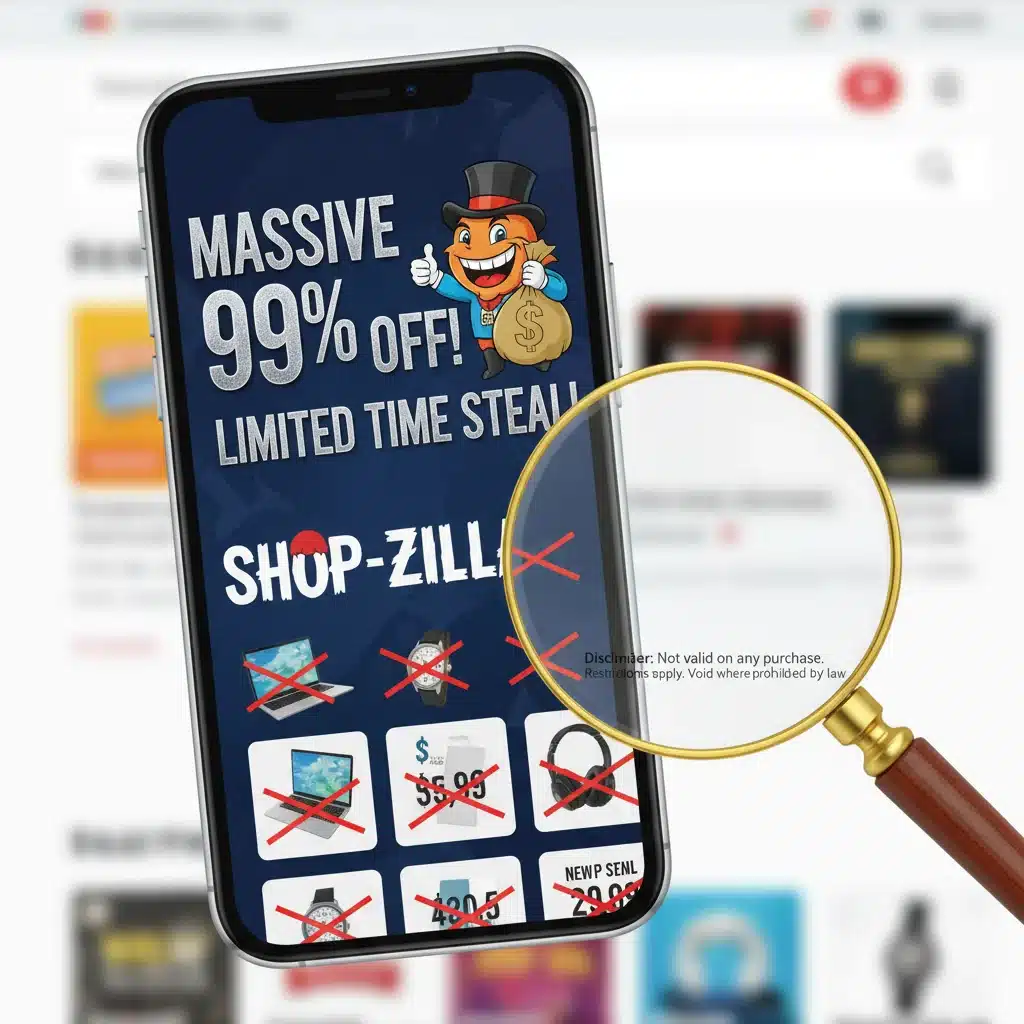
If a coupon offers an extremely high discount (e.g., 75% off a brand-new, high-demand item) or offers an item for free without a clear promotional reason, it should raise a red flag. Fraudsters often use enticing, too-good-to-be-true offers to lure victims. Always compare the offer to typical discounts from that retailer or brand.
2. Verify the Source
Before clicking on any link or attempting to redeem a coupon, verify its origin. Legitimate coupons usually come directly from the brand’s official website, their official social media channels, reputable coupon sites, or trusted email newsletters. Be wary of:
- Emails from unfamiliar senders or with suspicious-looking email addresses.
- Social media posts from unverified accounts or pages.
- Pop-up ads that appear unexpectedly and demand immediate action.
- Websites with unusual URLs (e.g., misspellings of brand names, extra characters).
3. Check for Professionalism and Clarity
Legitimate coupons are typically well-designed, with clear terms and conditions, and free of grammatical errors or typos. Fraudulent coupons often exhibit:
- Poor graphics quality or pixelated logos.
- Vague or missing expiration dates, redemption instructions, or product limitations.
- Spelling and grammatical mistakes.
- Unusual redemption requirements (e.g., asking for personal banking details beyond what’s necessary for a purchase).
Always read the fine print. If the terms are unclear or absent, proceed with caution.
4. Beware of Personal Information Requests
Legitimate coupons rarely require you to provide extensive personal information beyond what’s needed for a standard transaction. Be extremely cautious if a coupon asks for your Social Security number, bank account details, or other highly sensitive data. This is a common tactic in phishing scams.
5. Use Reputable Coupon Aggregators and Apps
Stick to well-known and trusted coupon websites and apps that have a track record of verifying their deals. These platforms often have measures in place to identify and remove fraudulent offers, contributing significantly to overall coupon fraud prevention.
6. Report Suspicious Coupons
If you encounter a coupon that you suspect is fraudulent, report it. For digital coupons, notify the platform where you found it (e.g., social media site, email provider). For physical coupons, inform the retailer or brand directly. Your report can help prevent others from falling victim to the scam.
7. Secure Your Devices and Accounts
Ensure your computer and mobile devices have up-to-date antivirus software and firewalls. Use strong, unique passwords for all your online shopping and loyalty accounts, and enable two-factor authentication (2FA) whenever possible. This layer of security is vital for comprehensive coupon fraud prevention.
For Businesses: Implementing Robust Coupon Fraud Prevention Strategies
For retailers and brands, coupon fraud isn’t just about lost revenue; it can damage brand reputation, erode customer trust, and complicate inventory management. Proactive coupon fraud prevention is an investment in long-term business health. Here are key strategies:
1. Advanced Digital Security Measures
With the prevalence of digital coupons, strong cybersecurity is paramount. This includes:
- Unique Code Generation: For single-use coupons, generate truly unique, unpredictable codes that are difficult to guess or brute-force. Avoid sequential or easily decipherable patterns.
- Rate Limiting: Implement systems that limit the number of coupon redemption attempts from a single IP address or user account within a given timeframe to prevent automated attacks.
- Fraud Detection Software: Utilize AI-powered fraud detection systems that can analyze redemption patterns, identify anomalies, and flag suspicious activities in real-time.
- Encryption: Ensure all coupon codes and redemption data are encrypted during transmission and storage.
- CAPTCHA and reCAPTCHA: Employ these tools on coupon redemption pages to differentiate between human users and bots.
2. Clear Terms and Conditions
Make the terms and conditions for all coupons explicit and easily accessible. Clearly state:
- Expiration dates.
- Eligible products or categories.
- Minimum purchase requirements.
- Geographical restrictions.
- Exclusions (e.g., cannot be combined with other offers).
- Redemption limits (e.g., one per customer, one per transaction).
Ambiguous terms can be exploited by fraudsters and lead to customer confusion.
3. Employee Training and Awareness
Front-line employees are critical in identifying and preventing physical coupon fraud. Provide comprehensive training on:
- How to identify common signs of counterfeit coupons (e.g., poor print quality, unusual paper stock, missing barcodes, unrealistic offers).
- The proper procedure for verifying coupon authenticity, especially for high-value discounts.
- How to handle suspicious coupons and customers, including reporting protocols.
- The importance of adhering to coupon policies strictly.
4. Robust Barcode and QR Code Security
For both physical and digital coupons, ensure that barcodes and QR codes are secure:
- Unique Barcodes: Use unique barcodes for each coupon, rather than a generic one, to track redemption and prevent multiple uses.
- Dynamic QR Codes: Consider using dynamic QR codes that can be updated or invalidated in real-time if fraud is detected.
- Secure Printing: For physical coupons, use security features like microprinting, watermarks, or holographic elements if the value warrants it.
5. Monitor and Analyze Redemption Data
Regularly review coupon redemption data for unusual patterns. Look for:
- Unusually high redemption rates for specific coupons.
- Redemptions from suspicious IP addresses or geographical locations.
- Multiple redemptions by the same customer beyond stated limits.
- Redemptions of expired coupons.
Data analytics can be a powerful tool in identifying emerging fraud trends and improving coupon fraud prevention.

6. Implement a Clear Coupon Policy
Develop and clearly communicate a comprehensive coupon policy to both employees and customers. This policy should outline what constitutes valid coupon use, what actions will be taken in cases of suspected fraud, and how customers can verify legitimate offers. Transparency builds trust and helps deter fraudulent activity.
7. Collaborate with Industry Peers and Law Enforcement
Share information about emerging fraud schemes with other retailers and industry associations. Collaboration can lead to quicker identification of new threats and more effective collective coupon fraud prevention strategies. In cases of significant fraud, involve law enforcement agencies.
8. Utilize Multi-Factor Authentication for Accounts
For customer loyalty programs and accounts where coupons are stored, offer and encourage multi-factor authentication (MFA). This adds an extra layer of security, making it much harder for unauthorized users to access and exploit customer accounts.
The Future of Coupon Fraud Prevention: Trends for 2026 and Beyond
As technology continues to advance, so too will the methods of both fraudsters and those dedicated to stopping them. Here’s what we can expect in the future of coupon fraud prevention:
Blockchain Technology
Blockchain offers a decentralized, immutable ledger that could revolutionize coupon tracking and verification. Each coupon could be a unique token on a blockchain, making it impossible to duplicate or alter without detection. This could provide unprecedented transparency and security in coupon redemption.
AI and Machine Learning Enhancement
AI and machine learning will become even more sophisticated in identifying fraudulent patterns. These systems will be able to learn from vast datasets of transactions, detecting subtle anomalies that human analysis might miss. Predictive analytics will help businesses anticipate and prevent fraud before it occurs.
Biometric Authentication
For high-value coupons or loyalty programs, biometric authentication (e.g., fingerprint, facial recognition) could become a standard, adding a highly secure layer to the redemption process and significantly bolstering coupon fraud prevention.
Hyper-Personalized, Secure Coupons
Coupons will likely become even more personalized, often tied directly to a customer’s verified identity or loyalty account. This makes them less transferable and harder for fraudsters to exploit, as they are designed for a specific individual and context.
Enhanced Data Sharing and Collaboration
The industry will see increased data sharing among retailers and third-party fraud prevention services, allowing for a more unified and robust defense against organized coupon fraud rings.
Conclusion: Staying Ahead in the Fight Against Coupon Fraud
Coupon fraud prevention is an ongoing battle that requires continuous vigilance, adaptation, and collaboration. For consumers, it means adopting a healthy skepticism towards overly generous offers, verifying sources, and protecting personal information. For businesses, it demands a multi-layered approach encompassing advanced technological defenses, clear policies, comprehensive employee training, and proactive data analysis.
As we move further into 2026 and beyond, the commitment to robust fraud prevention will not only save money but also build trust and ensure that the benefits of coupons can be enjoyed by legitimate customers and businesses alike. By working together, we can create a more secure and equitable shopping environment for everyone, making sure that discounts remain a reward for loyalty and a tool for growth, rather than an opportunity for exploitation.
Stay informed, stay secure, and continue to enjoy the savings that legitimate coupons bring, confident in your ability to practice effective coupon fraud prevention.


