Decoding Vanity Sizing 2026: Save 15% on Returns & Get Your Perfect Fit

Anúncios
The 2026 Guide to Decoding Vanity Sizing: Save 15% on Returns by Getting it Right the First Time.
In the evolving world of fashion, one phenomenon continues to perplex shoppers worldwide: vanity sizing. You’ve likely experienced it – that moment when you effortlessly slip into a size smaller than you expected, or, conversely, find yourself struggling with a size you thought was your standard. This isn’t just a minor inconvenience; it’s a significant factor contributing to the staggering volume of online returns, which costs consumers and retailers billions annually. In 2026, with online shopping dominating retail, understanding how to decode vanity sizing is more critical than ever. This comprehensive guide will equip you with the knowledge and strategies to navigate this tricky landscape, ensuring you get the perfect fit every time and significantly reduce your return rate by an estimated 15%.
Anúncios
What Exactly is Vanity Sizing and Why Does it Exist?
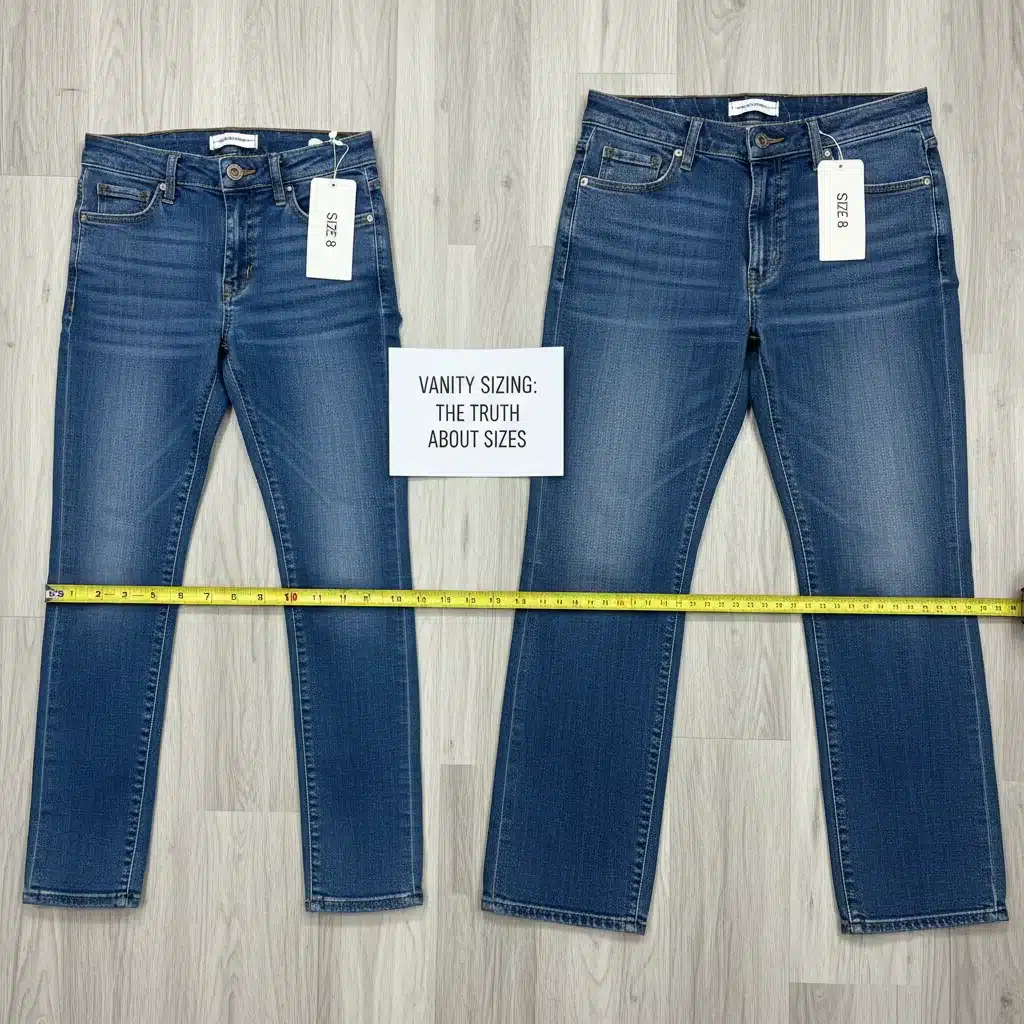
Before we dive into strategies to decode vanity sizing, let’s establish a clear understanding of what it is. Vanity sizing refers to the practice by clothing manufacturers of labeling garments with smaller sizes than their actual measurements. For instance, a dress labeled ‘Size 8’ today might have the same physical dimensions as a ‘Size 12’ from twenty or thirty years ago. This isn’t a mistake; it’s a deliberate marketing strategy.
The Psychology Behind Smaller Labels
The primary driver behind vanity sizing is psychological. Studies have shown that consumers often feel better about themselves and are more likely to purchase an item if they fit into a smaller size. This boost in self-esteem translates directly into increased sales for brands. By offering what appears to be a smaller size, retailers tap into a powerful emotional response, making shoppers feel good about their bodies and, by extension, about the brand itself. This subtle manipulation of sizing can create a positive shopping experience, even if the actual garment dimensions remain consistent or even increase over time.
Anúncios
Competitive Retail Landscape
Another significant factor is the intensely competitive retail environment. If one brand starts to ‘size down’ their garments, others often follow suit to remain competitive. No brand wants to be the one where shoppers feel they have to buy a larger size, potentially driving them to competitors who offer the psychological comfort of a smaller label. This creates a continuous cycle of size deflation, where numerical sizes become progressively smaller for the same physical measurements. Understanding this competitive pressure is key to comprehending why it’s so challenging to decode vanity sizing across different retailers.
Lack of Universal Sizing Standards
Crucially, there’s no universal standard for clothing sizes across brands, or even within different product lines of the same brand. While some countries have voluntary sizing standards, adherence is not mandatory, and these standards often lag behind current manufacturing practices. This lack of a unified system allows brands free rein to define their ‘Small,’ ‘Medium,’ ‘Large,’ or numerical sizes as they see fit, making it incredibly difficult for consumers to predict fit without trying items on or meticulously checking measurements. This inconsistency is the bedrock of the vanity sizing problem, making the ability to decode vanity sizing a vital skill for modern shoppers.
The Real Cost of Vanity Sizing: Why You Need to Master Your Fit
Beyond the frustration of ill-fitting clothes, vanity sizing has tangible costs. The most significant is the astronomical rate of returns, especially for online purchases. Research indicates that clothing returns account for a substantial percentage of all e-commerce returns, often due to sizing issues. Each return incurs costs for shipping, processing, repackaging, and potential markdowns if the item can’t be resold as new. For consumers, this means wasted time, delayed gratification, and sometimes even return shipping fees. By learning to effectively decode vanity sizing, you can:
- Save Money: Reduce or eliminate return shipping costs.
- Save Time: Avoid the hassle of packaging and sending back items, and waiting for refunds or exchanges.
- Reduce Environmental Impact: Lower your personal contribution to the carbon footprint associated with transportation and processing of returns.
- Boost Confidence: Wear clothes that fit you perfectly, enhancing your comfort and self-assurance.
- Shop Smarter: Make more informed purchasing decisions, leading to a more satisfying wardrobe.
Our goal is to help you achieve an estimated 15% reduction in your clothing returns by empowering you to decode vanity sizing with confidence.
Your 2026 Toolkit to Decode Vanity Sizing: Essential Strategies
1. Know Your Own Measurements – The Golden Rule
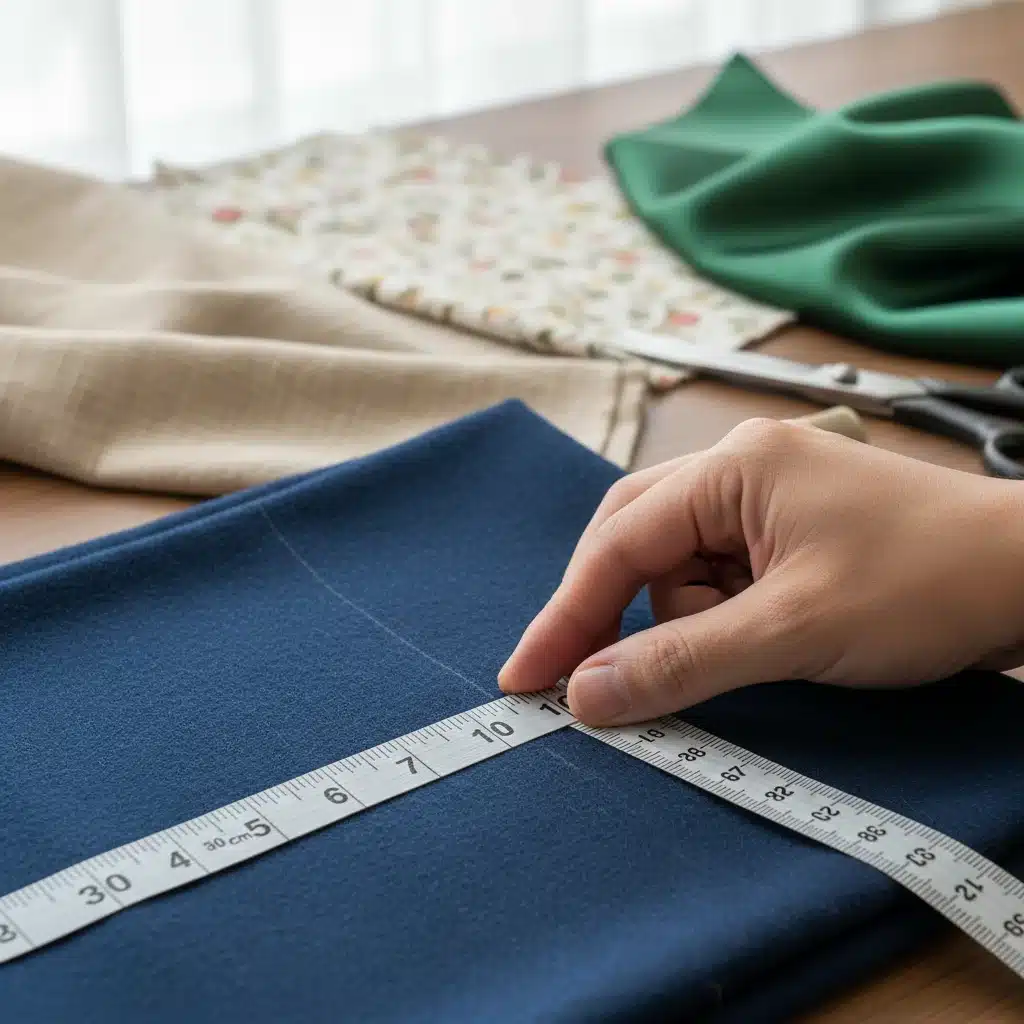
This is arguably the most critical step in combating vanity sizing. Forget the size label; your body measurements are the only consistent data points you have. Invest in a flexible tape measure and learn how to take accurate measurements of your key body areas. As you seek to decode vanity sizing, these numbers will be your unwavering truth.
How to Measure Accurately:
- Bust: Measure around the fullest part of your bust, keeping the tape parallel to the floor.
- Waist: Measure around the narrowest part of your natural waistline, typically just above your belly button.
- Hips: Measure around the fullest part of your hips and buttocks, ensuring the tape is level.
- Inseam: For pants, measure from the crotch seam down to the ankle bone.
- Shoulder Width: Measure straight across your back from the tip of one shoulder to the other.
- Sleeve Length: Measure from the top of your shoulder down to your wrist.
Keep these measurements updated, as bodies change over time. Store them in your phone or a dedicated note so they’re always handy when you’re browsing online or in-store. This foundational knowledge is indispensable when you try to decode vanity sizing.
2. Master the Art of Reading Size Charts
Once you have your measurements, the next step is to diligently consult size charts. This is where most people falter, either skipping them entirely or misinterpreting the information. Size charts are a brand’s attempt to provide clarity, even amidst vanity sizing, and they are your most powerful tool to decode vanity sizing.
Key Considerations for Size Charts:
- Don’t Assume: Never assume a brand’s ‘Small’ is the same as another’s. Always check the chart.
- Compare Your Measurements: Match your bust, waist, and hip measurements to the chart. If you’re between sizes, consider the garment’s intended fit (e.g., if it’s meant to be oversized, you might size down; if it’s form-fitting, size up).
- Look for Garment Measurements vs. Body Measurements: Some charts provide actual garment measurements, while others provide recommended body measurements. Understand the difference. Garment measurements will be slightly larger than your body measurements to allow for movement and comfort.
- Pay Attention to Specifics: Some brands provide length, sleeve length, or inseam measurements. These are crucial for items like dresses, trousers, and jackets.
- Check Fabric Composition: Fabrics with stretch (e.g., elastane, spandex) will be more forgiving than rigid fabrics (e.g., 100% cotton denim). Factor this into your sizing decision.
Making a habit of checking the size chart for every new brand or even new style within a familiar brand will dramatically improve your success rate in getting the right fit and help you to decode vanity sizing effectively.
3. Leverage Customer Reviews and Q&A Sections
In the absence of universal sizing, collective customer experience becomes invaluable. Online reviews and Q&A sections are treasure troves of real-world sizing information that can help you to decode vanity sizing tendencies of a particular item.
What to Look For:
- “Runs Small/Large”:: This is the most direct indicator of vanity sizing. If multiple reviewers state an item runs small, consider sizing up. If it runs large, size down.
- Specific Body Type Comments: Look for comments from people with similar body types to yours (e.g., “I have wide hips and this fit perfectly,” or “If you have a larger bust, size up”).
- Reviewer Measurements: Some helpful reviewers will share their own measurements and the size they purchased, along with how it fit. This is gold!
- Q&A Sections: Often, customers ask specific sizing questions (e.g., “Does this stretch?” or “What’s the inseam for a size M?”). Brands or other customers often provide answers.
While individual experiences can vary, patterns in reviews are strong indicators of how a garment truly fits. This communal wisdom is an excellent complement to your personal measurements when attempting to decode vanity sizing.
4. Understand Brand-Specific Sizing Quirks
Over time, you’ll start to notice patterns. Some brands consistently run larger, while others are known for their smaller, more ‘junior’ sizing. Building a mental (or even written) database of these brand-specific quirks is a powerful strategy to decode vanity sizing.
Tips for Brand-Specific Knowledge:
- Keep a Sizing Journal: Note down the size you bought from specific brands and how it fit. This helps you build a personal sizing profile for each retailer.
- Stick with What Works: Once you find a brand that fits you consistently, you can be more confident in your purchases from them.
- Be Wary of Sub-Brands/Collections: Even within the same overarching brand, different collections (e.g., ‘petite,’ ‘tall,’ ‘curve,’ ‘athletic’) can have distinct sizing. Always re-evaluate.
- Research Brand Fit Guides: Many brands now offer detailed fit guides or even virtual try-on tools. Utilize these resources.
Recognizing and adapting to these individual brand characteristics is essential to effectively decode vanity sizing and predict your best fit.
5. Embrace the Power of Fit Finders and Virtual Try-On Tools (2026 Edition)
Technology has come a long way in assisting shoppers. Many online retailers now incorporate advanced fit-finding tools and even augmented reality (AR) virtual try-on experiences. These tools are becoming increasingly sophisticated and are invaluable aids in your quest to decode vanity sizing.
How to Use These Tools:
- Fit Finders: These usually ask for your height, weight, age, and sometimes specific body shape information, along with your preferred fit in other brands. They then recommend a size. Be honest with your input for the best results.
- Virtual Try-On (AR): Using your smartphone camera, some apps or websites allow you to ‘try on’ clothes virtually. While not perfect, they can give you a better visual sense of how an item might drape and fit your body.
- AI-Powered Recommendations: Some platforms use AI to analyze your past purchases, returns, and feedback to provide highly personalized size recommendations.
While these tools are continuously improving, remember they are based on data and algorithms. Always cross-reference their recommendations with your own measurements and the brand’s size chart to fully decode vanity sizing for any given item.
6. Understand Fabric and Garment Construction
The material an item is made from, and how it’s constructed, plays a huge role in its fit, often more so than the size label. This insight is crucial when you aim to decode vanity sizing effectively.
Key Fabric & Construction Factors:
- Stretch vs. No Stretch: As mentioned, stretchy fabrics (spandex, elastane, lycra blends) are more forgiving. For items with no stretch (e.g., 100% cotton denim, linen, silk), you need to be much more precise with your measurements and size choices.
- Weave/Knit: A loose knit might offer more give than a tight weave.
- Drape: Some fabrics drape more fluidly, while others hold their shape. This affects how a garment hangs on your body.
- Seams and Cut: Pay attention to descriptions like ‘relaxed fit,’ ‘slim fit,’ ‘boyfriend cut,’ ‘A-line,’ ‘bodycon.’ These terms indicate the intended silhouette and can guide your sizing decision. A ‘relaxed fit’ might allow you to size down, whereas a ‘slim fit’ might require you to stick to your true measurement-based size.
- Closures: Buttons, zippers, and elastic waistbands all impact fit. An elastic waistband offers more flexibility than a rigid button-fly.
Reading product descriptions thoroughly for fabric composition and fit descriptions can give you significant clues to help you decode vanity sizing and anticipate how the garment will truly fit.
7. Consider the Garment’s Intended Style and Fit
Not all clothes are meant to fit snugly. Understanding the designer’s intention for a particular piece is vital. Is it an oversized sweater, a tailored blazer, or a bodycon dress? This context helps you interpret size charts and reviews more accurately.
- Oversized Items: For intentionally oversized pieces, you might find your usual size provides the desired loose fit, or you might even size down if you prefer a less dramatic silhouette.
- Tailored Items: Blazers, formal trousers, and fitted dresses often require precise sizing. Err on the side of caution and prioritize the largest of your measurements (bust, waist, or hips) when comparing to the size chart.
- Layering Pieces: If you plan to wear an item over other clothes (e.g., a jacket), consider if you need a little extra room.
This stylistic awareness is another layer to your strategy to decode vanity sizing and ensure your purchases align with your expectations.
Future of Sizing: What to Expect Beyond 2026
While we’ve focused on strategies for 2026, the future of clothing sizing is constantly evolving. We can anticipate even more sophisticated tools to help us decode vanity sizing:
- 3D Body Scanning: More accessible and affordable 3D body scanning technology could allow consumers to get hyper-accurate personal measurements, which could then be directly matched to garment CAD files.
- Universal Digital Sizing Profiles: Imagine a secure digital profile where your precise measurements are stored and can be shared with retailers, who then recommend your exact size across all their products, regardless of their internal vanity sizing.
- Blockchain for Sizing Data: Blockchain technology could be used to create immutable records of garment measurements, forcing transparency from brands and making it easier to compare sizes across the board.
- Personalized Manufacturing: As on-demand and personalized manufacturing advances, we might see a shift towards clothing made to individual measurements, effectively eliminating the need to decode vanity sizing altogether.
These innovations promise a future where the frustration of vanity sizing is a thing of the past. Until then, the strategies outlined in this guide remain your best defense.
Conclusion: Empower Yourself to Decode Vanity Sizing
Vanity sizing isn’t going away overnight, but you don’t have to be a victim of its inconsistencies. By adopting a proactive and informed approach, you can transform your shopping experience. Knowing your measurements, meticulously checking size charts, consulting reviews, understanding brand quirks, and utilizing modern tech tools are your superpowers to decode vanity sizing.
Imagine a wardrobe where every item fits perfectly, where online orders arrive and meet your expectations, and where the endless cycle of returns is dramatically reduced. This isn’t a fantasy; it’s an achievable reality when you commit to understanding and applying these strategies. By taking control of your sizing knowledge, you’re not just saving money and time – you’re building a more sustainable, satisfying, and confident relationship with fashion. Start applying these tips today, and join the ranks of savvy shoppers who truly know how to decode vanity sizing, saving an estimated 15% on returns and always getting it right the first time.